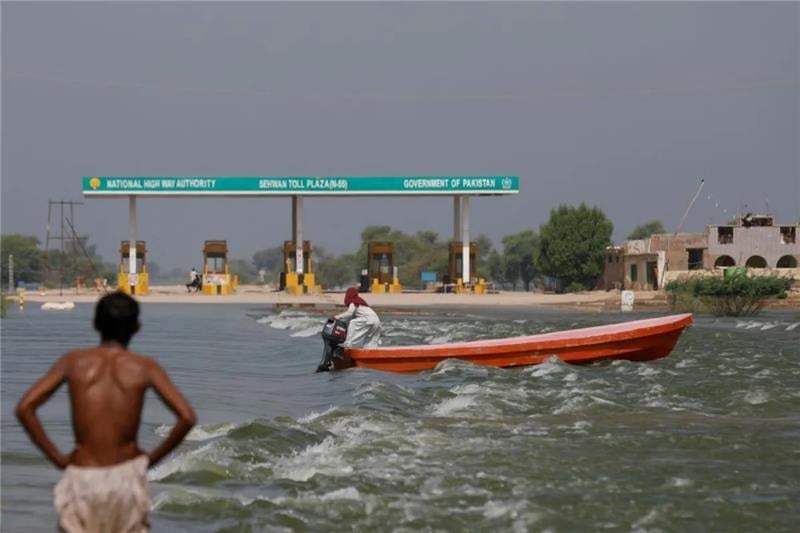
Climate diplomacy is haunted by a $100 billion betrayal, but there are signs that some trust could be restored at the COP27 summit in Egypt.
During COP15, the 2009 climate summit in Copenhagen, developed countries agreed to raise $100 billion in annual climate finance by 2020, money that developing countries could tap to transition to clean energy and adapt to climate impacts. But every year, those nations have fallen short: $21 billion to $83 billion annually has been raised so far, depending on whether loans and private investment facilitated by governments are counted toward the total.
And even the $100 billion target is far less than what is needed. The true need is closer to $2 trillion, estimates a Nov. 8 report commissioned by the UK and Egyptian governments. The original goal was intended as a geopolitical trust-building exercise, diplomats and civil society groups say, a way for high-carbon countries to reassure their most vulnerable peers of their good faith in handling the crisis.
This climate finance shortfall is the biggest sticking point at COP27 in Egypt. Without a resolution to that problem, developing countries will be unable to sufficiently reduce their emissions and less willing to compromise on any other issues—a major impediment to the COP process, which requires unanimous consent.
“The simple political will that’s necessary to not just make promises, but deliver on them, still seems not capable of being produced,” said Mia Mottley, prime minister of Barbados, during a speech here last week. “The global south remains at the mercy of the global north.”
At COP27, negotiations are underway for a new annual fundraising goal that will replace the $100 billion target in 2025. It’s a chance to restore broken trust and some rich countries seem ready to seize it.
While the exact number won’t be decided in Egypt, officials are discussing new approaches to dramatically scale up the available climate funding. There’s a broad consensus that the money can’t all come directly from the pockets of rich countries. More of the burden will need to fall on companies, international financial institutions such as the World Bank, and countries like China, once considered “developing” by UN standards, which can now contribute more after decades of economic growth.
Mottley herself has used COP27 to seize on that consensus and push a suite of reforms to the global financial system that could unlock hundreds of billions or trillions of dollars for climate finance. She and other leaders from climate-vulnerable countries are finding a receptive audience among their peers in the rich countries with the most ability to orchestrate change in international financial institutions, which lay outside the direct jurisdiction of UN climate politics.
“For the first time, really transformational changes to the global financial architecture are being taken seriously,” said Franklin Steves, senior policy advisor on finance at the European climate think tank E3G. “There’s quite a revolutionary set of proposals on the table, and an unprecedented set of lower, middle, and high-income countries coalescing around them.”
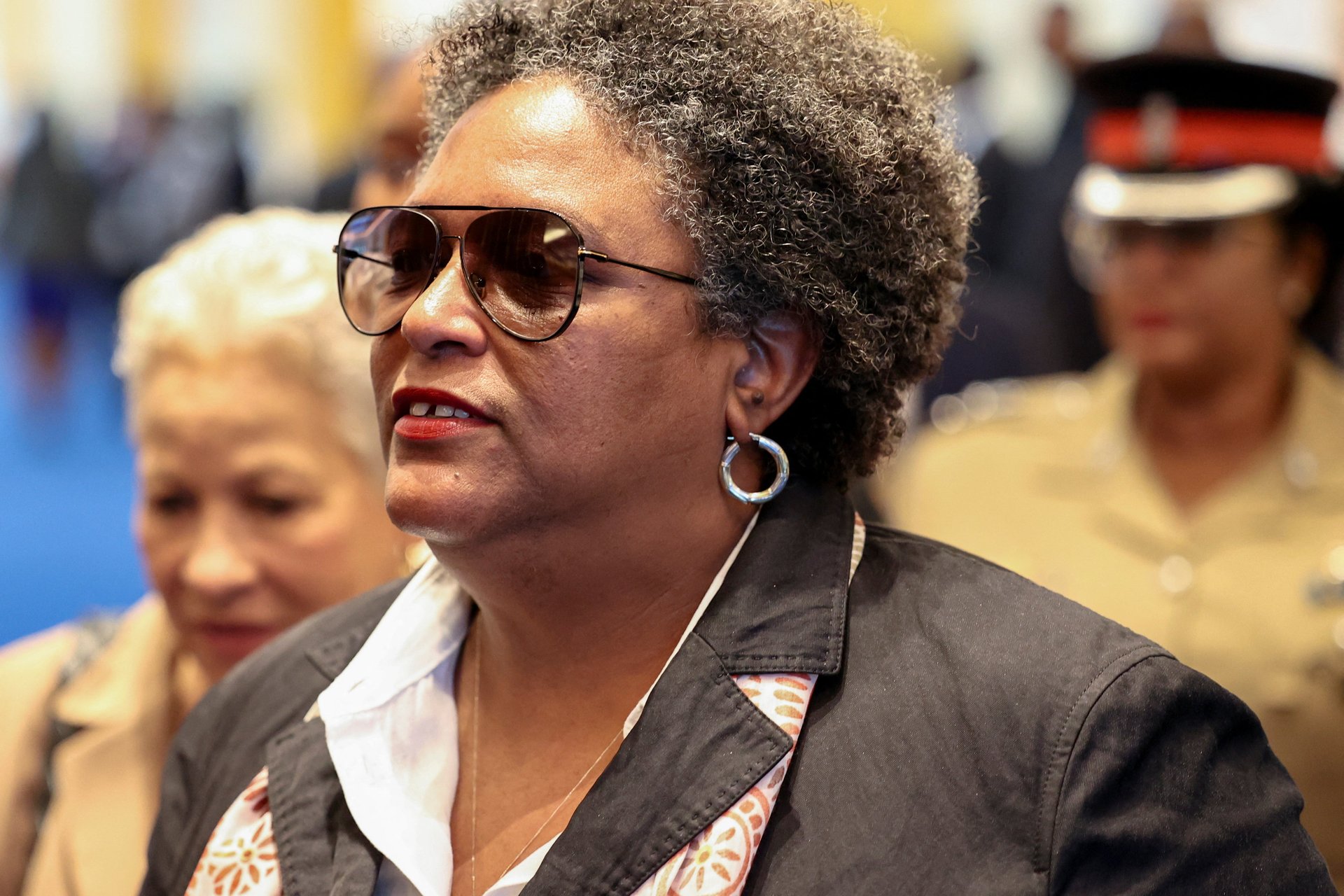
Mottley’s platform is titled the “Bridgetown Initiative” after a meeting between academics and IMF officials this July in the Barbados capital. Along with a separate set of reforms pitched by the V20 group of finance ministers from vulnerable countries, it seems likely to form the backbone of the next decade of climate finance.
Some of the ideas aren’t necessarily new, said Joe Thwaites, climate finance expert at the advocacy group Natural Resources Defense Council. Many first circulated among UN policymakers when the original $100 billion goal was announced, but were deemed unnecessary or radical at the time. “There were a load of ideas that sat on a shelf and never went anywhere,” he said. “Then governments realized they couldn’t deliver on [the $100 billion goal] from a traditional approach. So a lot of those ideas are in vogue again.” Those include:
Those reforms could become baked into the COP process. One of the final negotiations taking place in Egypt is whether rich countries should have to report regularly on their climate finance pledges. That’s a priority for developing countries. “Having learned our lesson from the $100 billion,” said Seyni Nafo, a Malian negotiator leading a group of African diplomats on adaptation finance, “we want a process that is extremely transparent.”
All of these ideas will be on the table during a special climate finance summit next June hosted by French president Emmanuel Macron. The next phase of climate finance will take shape between that meeting, the annual meetings of the IMF and World Bank that happen in April, and the next G20 meeting in August in India.
