
Jeswin Thomas/Unsplash
STEM — science, technology, engineering, and math — majors place students at the center of innovation and progress. These majors aren't just seen as academic disciplines, but they can be considered pathways into industries that influence how we live and how the world evolves.
Whether it's mining critical minerals for electric vehicles or building smarter energy grids, STEM education isn't just about solving equations or building software. It offers opportunities to contribute to practical solutions that matter.
For students exploring their next steps, these seven majors can offer a way to align personal passions with real-world impact. Whether you're drawn to clean energy or data-driven decision-making, some say there's never been a better time to pursue a STEM degree.
1 / 8

Singha Bohrer-Bender/Pixabay
Environmental engineering blends science and design to develop solutions for cleaner air, safer water, and sustainable systems.
This major plays a vital role in:
As climate patterns shift and sustainability concerns increase, the demand for environmental engineers rises. Circular economic practices, where materials are reused and repurposed rather than discarded, create new job opportunities in both the public and private sectors.
2 / 8
Didgeman/Pixabay
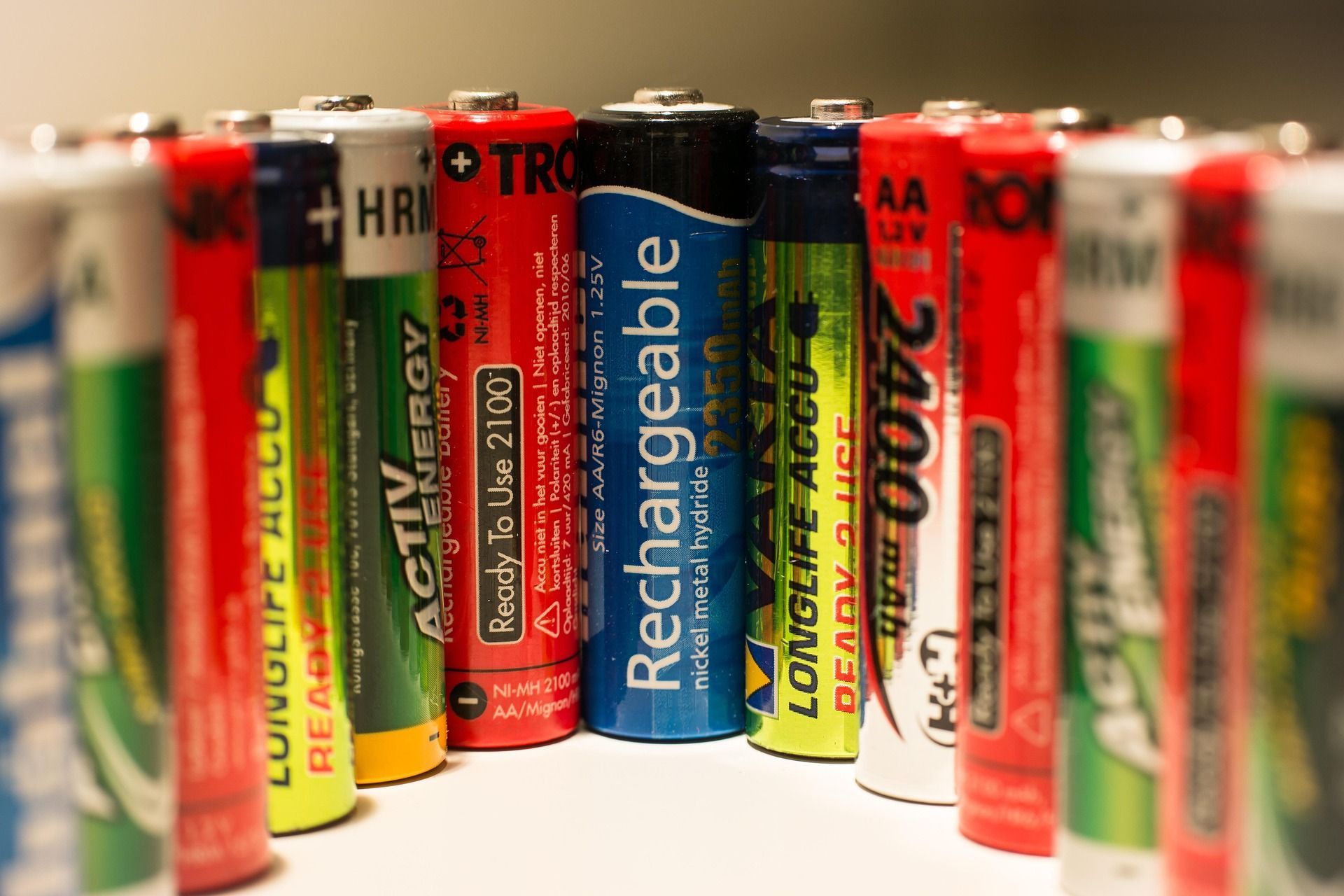
This field focuses on the properties and performance of materials used in everything from smartphones to solar panels.
Materials scientists are essential to:
With direct ties to mining, recycling, and high-tech manufacturing, this degree is foundational for building the next generation of green and efficient technologies.
3 / 8
Mikes1978/Pixabay
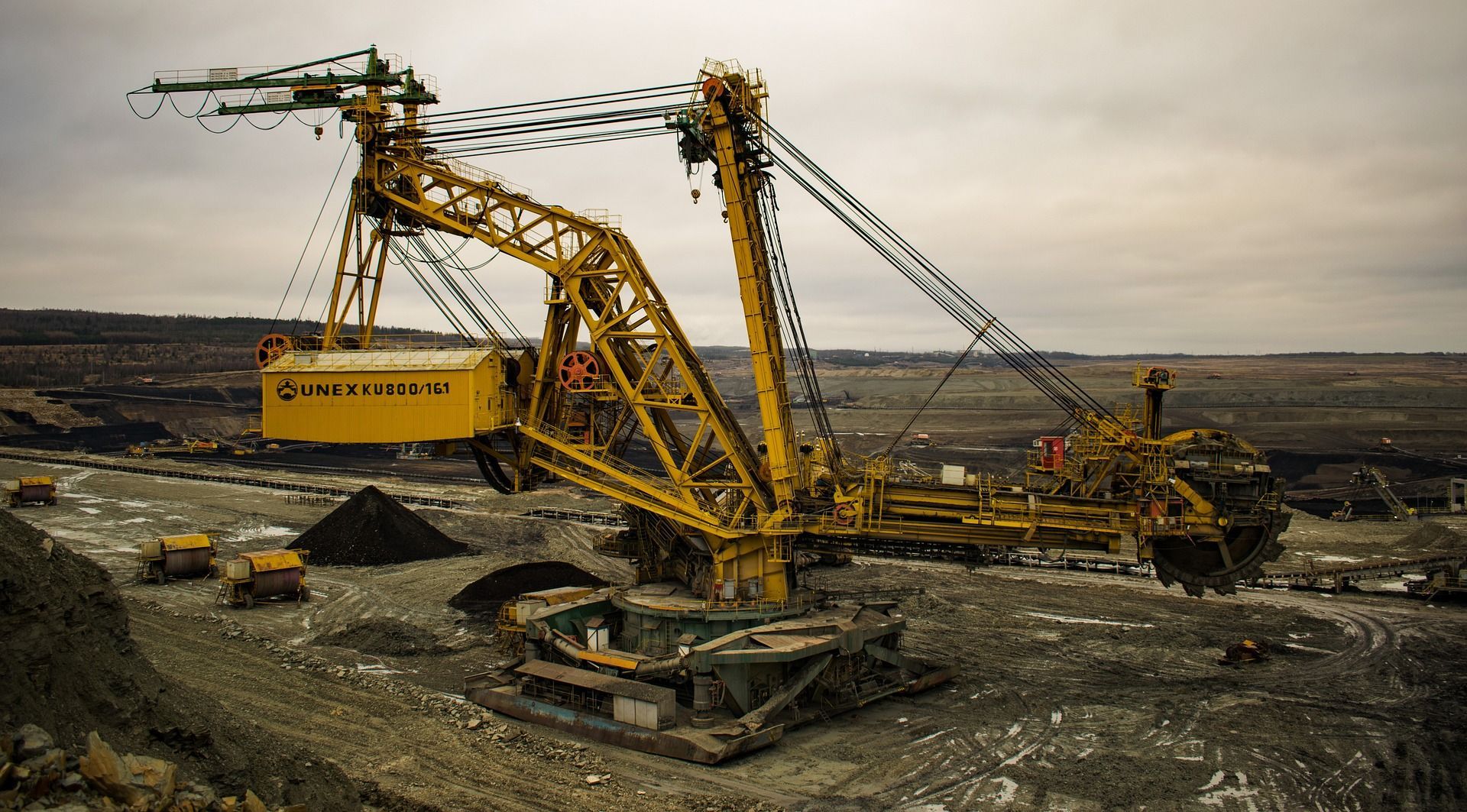
While often overlooked, mining engineering is central to the supply chain for everything from lithium to cobalt.
Students in this field learn to:
Because rare elements are important to clean energy and high-tech industries, particularly for electric vehicles and renewable energy storage, mining engineers are stepping into key positions around the world.
4 / 8

Deepakrit/Pixabay
Chemical engineering combines chemistry, physics, biology, and math to solve complex problems in manufacturing and production.
Graduates often work in:
This STEM major is a gateway into research and development roles that support the energy transition, including hydrogen production and scalable clean tech solutions.
5 / 8

ThisisEngineering / Unsplash
This foundational discipline supports almost every major technological system we use today.
Electrical engineers drive innovation in:
From renewable energy systems to advanced control technologies, this degree remains one of the most versatile and future-focused engineering paths available.
6 / 8
-1920x1282.jpg)
Chris Reid/Unsplash
Computer science has long been a powerhouse major, but as AI accelerates across industries, its importance continues to grow.
AI and machine learning are transforming:
Students with strong programming and data science skills are finding high-paying, flexible jobs in nearly every sector, from big tech to agriculture.
7 / 8

Luke Chesser/Unsplash
Data science teaches students how to collect, interpret, and visualize large datasets to support informed decision-making.
This field is growing rapidly in:
With strong job outlooks and applications in nearly every emerging industry, data analysts and scientists are in high demand.
8 / 8
Each of these degrees connects directly to major global priorities, such as clean energy, advanced technology, sustainable infrastructure, and smart systems.
They also share a common thread: interdisciplinary collaboration. For example, battery recycling might involve materials scientists, chemical engineers, and AI specialists working side by side.
As industries evolve, graduates who understand the intersections between fields will be especially valuable.
