Pauline Loroy / Unsplash
For literary travelers, a city is more than a backdrop. It is a text in itself. Streets become footnotes. Cafés double as rough-draft workshops. Bookstores function as living archives, not retail spaces. The appeal is not simply access to books, but proximity to the conditions that produced them. Reader’s Digest frames book-loving cities as places where history, authorship, and contemporary literary life intersect. These are not destinations optimized for selfies or souvenir shopping. They reward wandering. They demand time.
The list focuses on cities where books are embedded in daily life, whether through the density of bookstores, preservation of literary landmarks, or living festivals that treat reading as a public act. Some places earn their status through volume alone. Others rely on symbolic weight. A manuscript behind glass. A bar stool worn smooth by writers thinking out loud. A neighborhood organized around secondhand paperbacks rather than fast fashion.
What unites these cities is not nostalgia. Reader’s Digest emphasizes that literary culture here is active, not museum-sealed. Used bookstores thrive alongside modern chains. Canonical authors coexist with contemporary scenes. Readers are not tourists passing through. They are participants.
Here are 7 of the best cities in the world for book lovers.
1 / 7
Norali Nayla / Unsplash
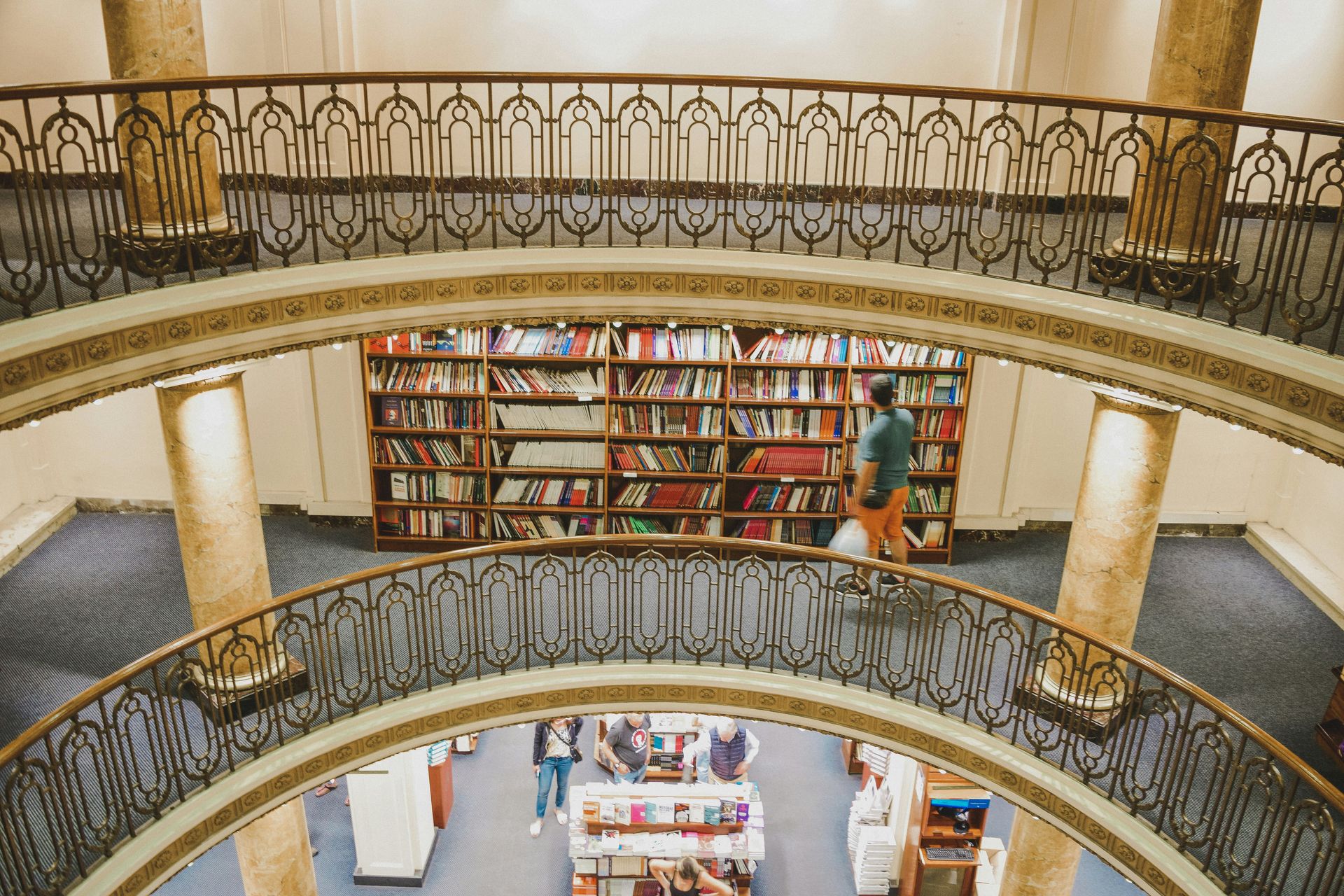
Buenos Aires tops many literary bucket lists because books are not a niche interest there. They are part of the city’s physical and cultural infrastructure. According to Reader’s Digest, Buenos Aires has more bookshops per resident than any other city in the world, totaling 690 bookshops as of a 2016 report. That density shapes daily life. Browsing is not an event. It is a routine. The city’s reputation rests not just on quantity, but on spectacle. El Ateneo Grand Splendid, housed in a former movie theater, transforms book buying into a civic experience. Reader’s Digest notes that the shop was voted the second most beautiful bookstore in the world by the Guardian in 2015, reinforcing Buenos Aires’s global literary status. The emphasis here is immersion. Readers can spend entire days moving from one historic shop to another without repeating the experience. Buenos Aires treats bookstores as cultural landmarks rather than commercial afterthoughts. The result is a city where literary tourism does not feel like tourism at all. It feels like participation in a system built for readers.
2 / 7
Ayumi Kubo / Unsplash
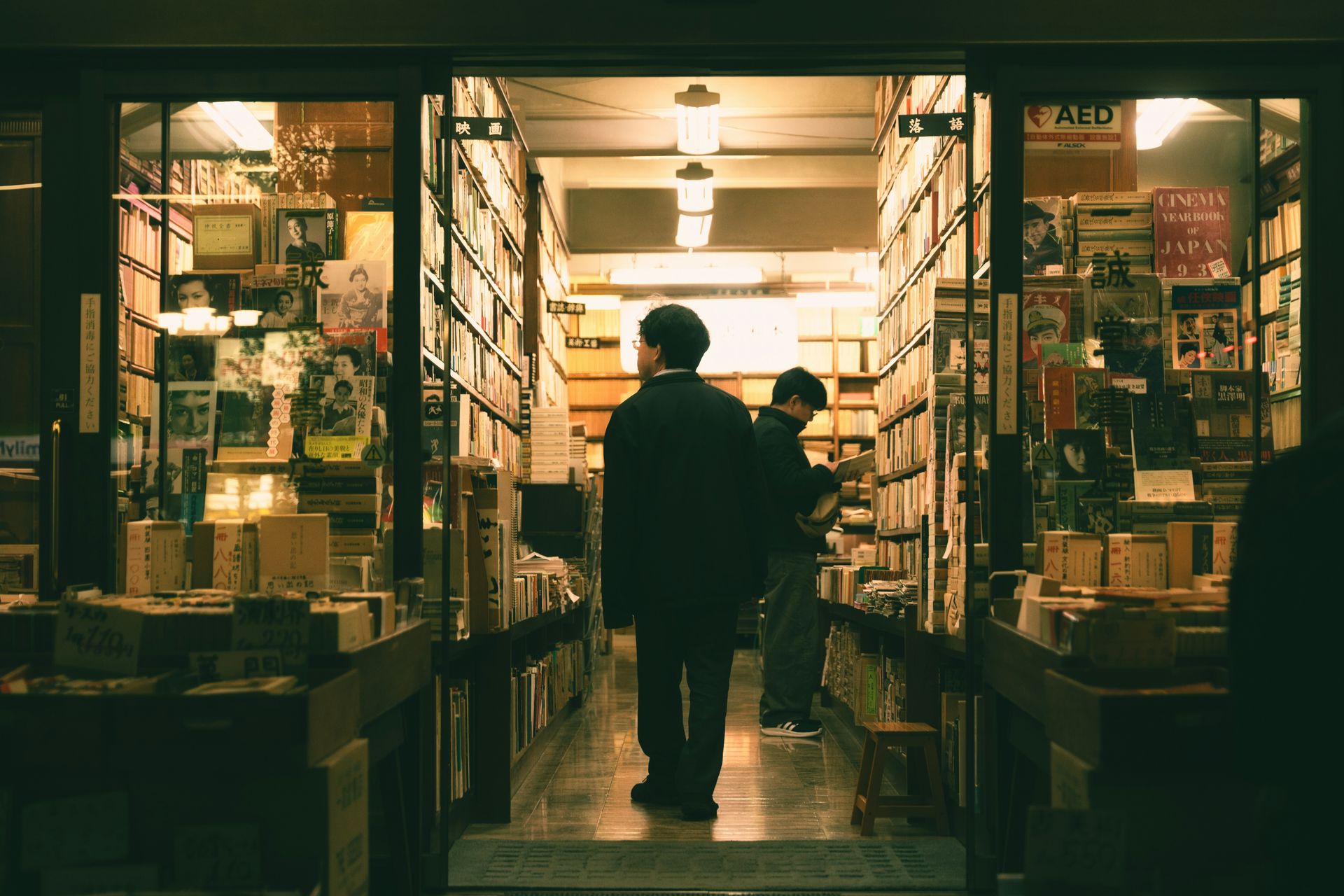
Tokyo’s literary appeal works by contrast. Reader’s Digest describes an ultra-modern city where secondhand bookstores appear in unexpected abundance. Jimbocho Booktown alone contains more than 160 used bookshops, clustered near the Jimbocho metro station. This concentration turns an ordinary neighborhood stroll into an extended act of discovery. The experience is not curated for visitors. It is functional, layered, and deeply local. Tokyo also offers accessibility for international readers. Tsutaya Books, a popular chain with locations across Japan, carries a significant selection of English-language titles, along with a strong focus on architecture and design books. Reader’s Digest presents Tokyo as a city where books coexist naturally with speed, technology, and density. There is no attempt to preserve a romantic image of literary life. Instead, the city absorbs books into its everyday rhythms. Tokyo demonstrates that a strong reading culture does not require aesthetic nostalgia. It requires space, access, and an audience that keeps the shelves turning over.
3 / 7
Gregory Dalleau / Unsplash
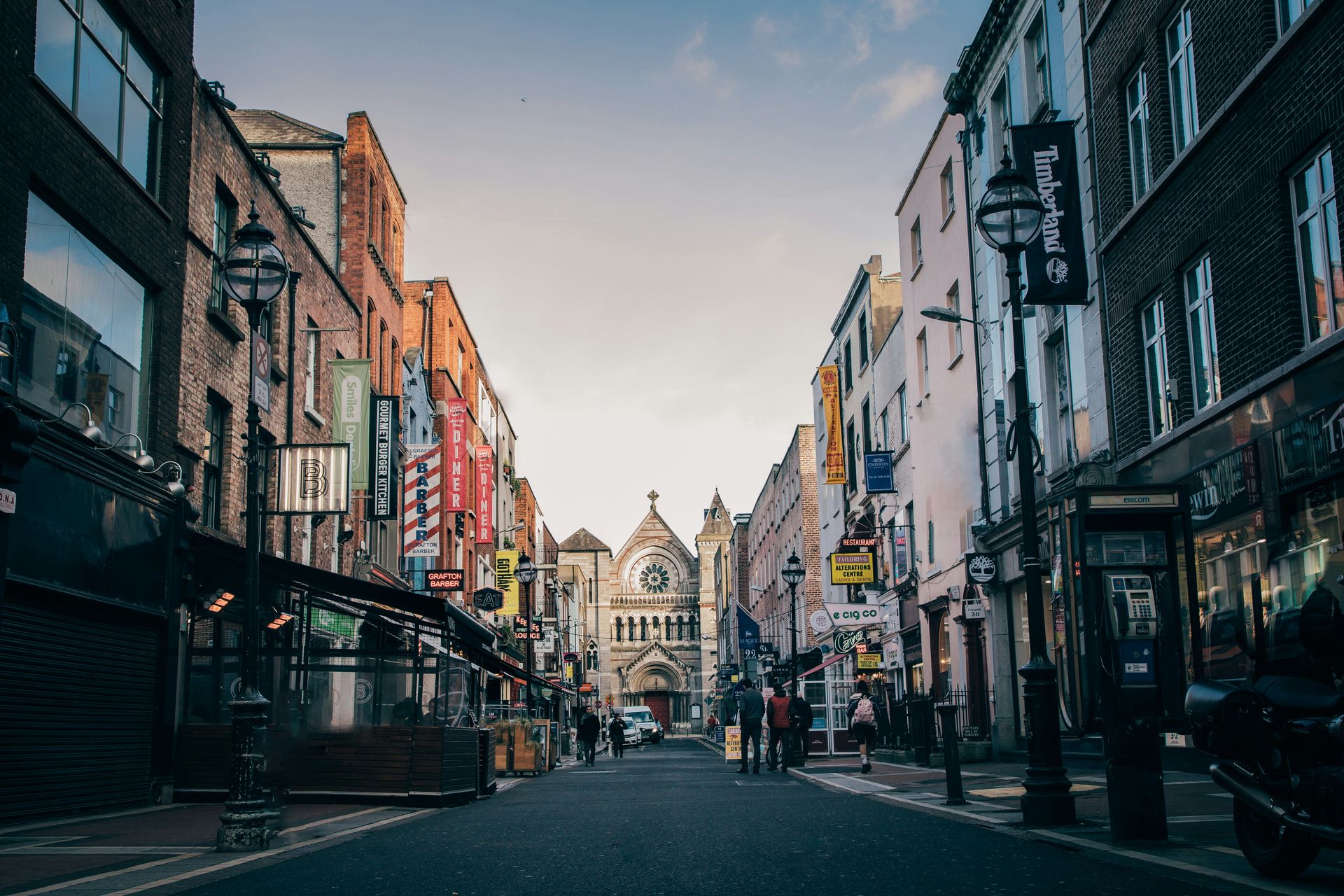
Dublin’s literary gravity begins with The Book of Kells. Reader’s Digest describes the ninth-century illuminated manuscript as the world’s most famous of its kind, housed at Trinity College. The manuscript functions as both artifact and anchor, tying the city’s contemporary literary life to its deep historical roots. Dublin extends that connection forward through modern literature. The James Joyce Centre offers walking tours that trace the physical geography behind Dubliners and Ulysses. This approach treats the city itself as a text. Streets and buildings become narrative devices rather than background scenery. Reader’s Digest frames Dublin as a place where literary heritage is not abstract. It is spatial. Visitors encounter books through movement, proximity, and preservation. The city’s appeal lies in continuity. Ancient manuscripts and modern literary tours coexist without tension. Dublin shows how a city can remain forward-looking while still organizing its identity around a single, enduring work.
4 / 7
Daniel Abadia / Unsplash
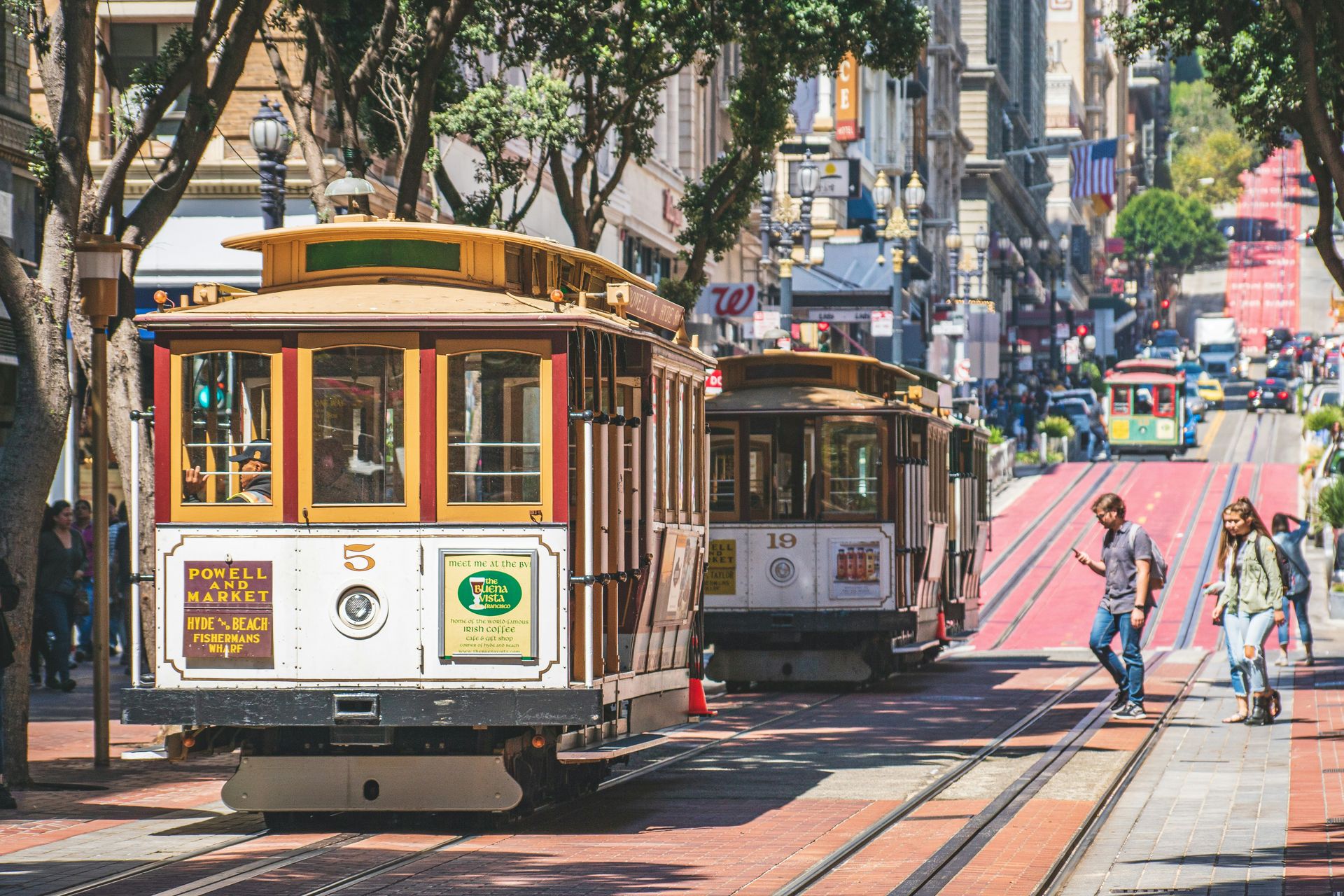
San Francisco’s literary appeal is inseparable from place. Reader’s Digest highlights the city as the backdrop for Dashiell Hammett’s The Maltese Falcon, noting that many locations mentioned in the novel remain part of the city’s daily life. Walking through San Francisco becomes a form of reading. John’s Grill, still operating today, connects fiction directly to physical space. The city also anchors its literary reputation through institutions. City Lights Bookstore remains a central landmark, complemented by the nearby Beat Museum. Reader’s Digest emphasizes neighborhood exploration, pointing readers toward the Mission District’s small, carefully curated bookshops. San Francisco’s strength lies in layering. Canonical noir, Beat history, independent retail, and living neighborhoods intersect. The city does not isolate literature in museums. It embeds it in commerce, dining, and movement. Reading here extends beyond the page into geography.
5 / 7
Xavier Photography / Unsplash
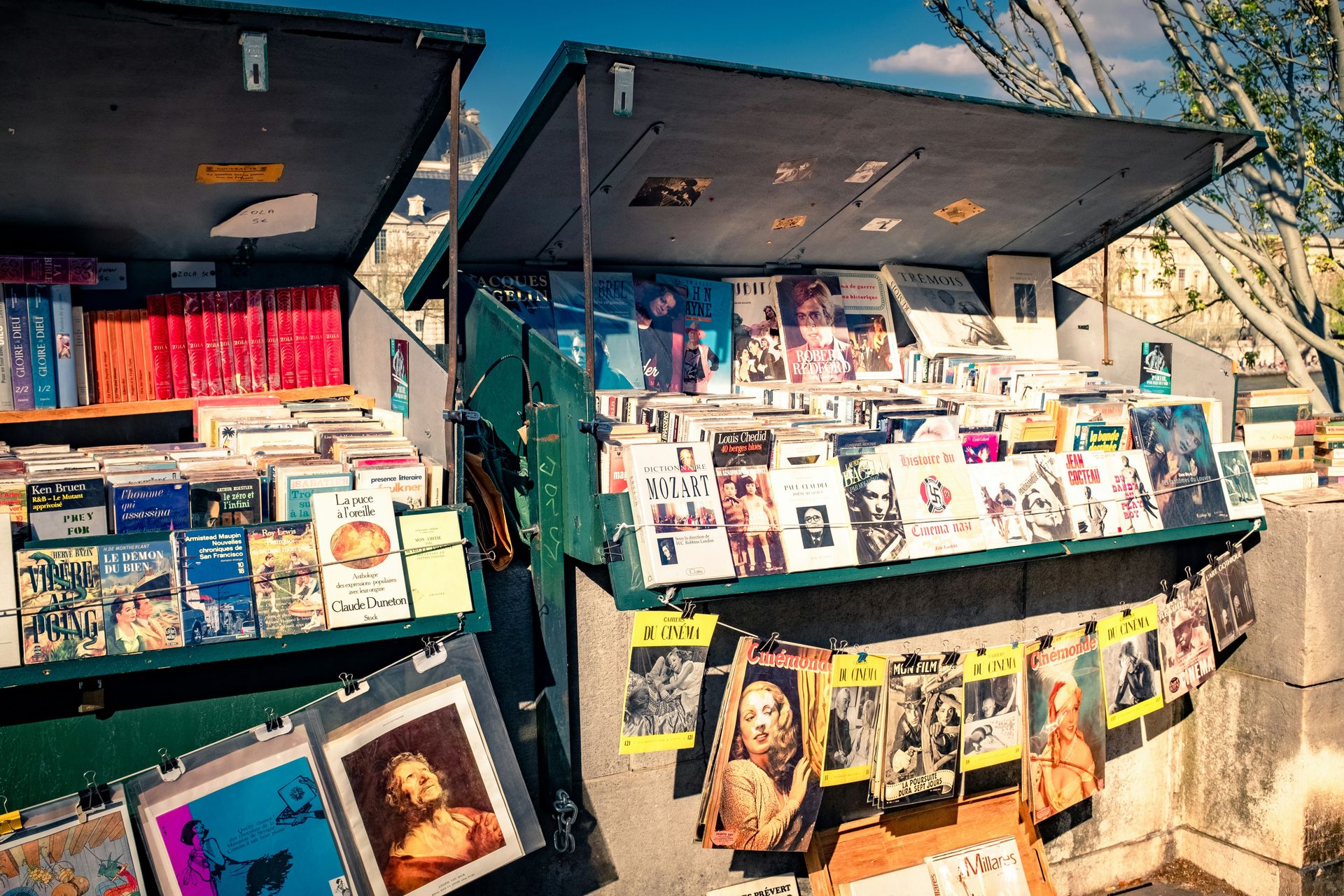
Paris earns its place through density of history rather than bookstores alone. Reader’s Digest points to the literary salons hosted by Gertrude Stein, where writers and artists gathered to exchange ideas. That tradition of gathering continues in physical spaces that remain accessible today. Shakespeare & Company Bookshop serves as both symbol and functioning bookstore. Cafés and bars such as La Closerie de Lilas reinforce the idea that writing happens socially. Reader’s Digest describes a city where drinking, debating, and drafting overlap. Paris’s literary culture is preserved through ritual rather than reconstruction. Readers and writers retrace habits rather than monuments. The appeal is not simply historical reverence. It is continuity of behavior. Paris demonstrates how literary culture survives when it remains woven into social life rather than elevated above it.
6 / 7

Yukon Haughton / Unsplash
Hay-on-Wye challenges assumptions about scale. Reader’s Digest describes a small village on the border of England and Wales that hosts more than 30 used bookshops. The density of bookstores alone would be notable, and the annual Hay Festival elevates the town into a global literary gathering place, bringing together authors, readers, and booksellers from around the world. Hay-on-Wye treats books as an economic engine rather than a cultural accessory. The town’s identity is singular and unapologetic. Everything points back to reading. Reader’s Digest presents Hay-on-Wye as proof that literary relevance does not depend on population size. It depends on commitment. The village succeeds by making books unavoidable. Visitors arrive for the festival and stay for the shelves.
7 / 7
Mitch Hodiono / Unsplash
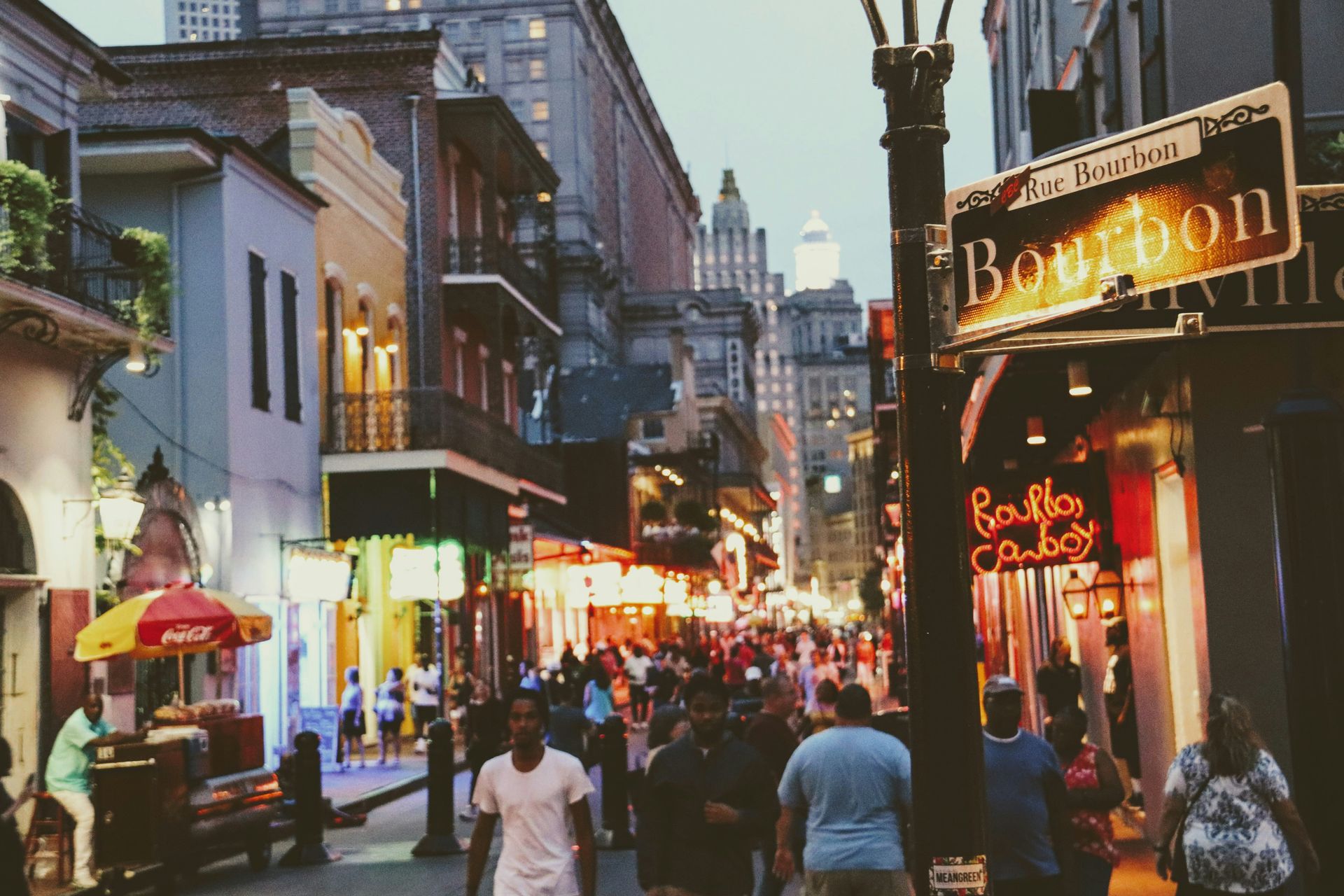
New Orleans connects literary culture to hospitality. Reader’s Digest highlights Hotel Monteleone and its carousel bar as a gathering place for writers such as Ernest Hemingway, Tennessee Williams, and William Faulkner. The city’s literary legacy is tied to places designed for conversation rather than isolation. The Tennessee Williams Literary Festival reinforces that tradition annually, drawing writers for lectures and workshops that span historical and modern literature. Even dining participates in the theme. Reader’s Digest notes a restaurant where dishes and drinks are named after books. New Orleans treats literature as part of its broader cultural ecosystem. Writing, eating, drinking, and gathering blur together. The city’s appeal lies in accessibility. Literary history here feels lived in, not preserved behind glass.
