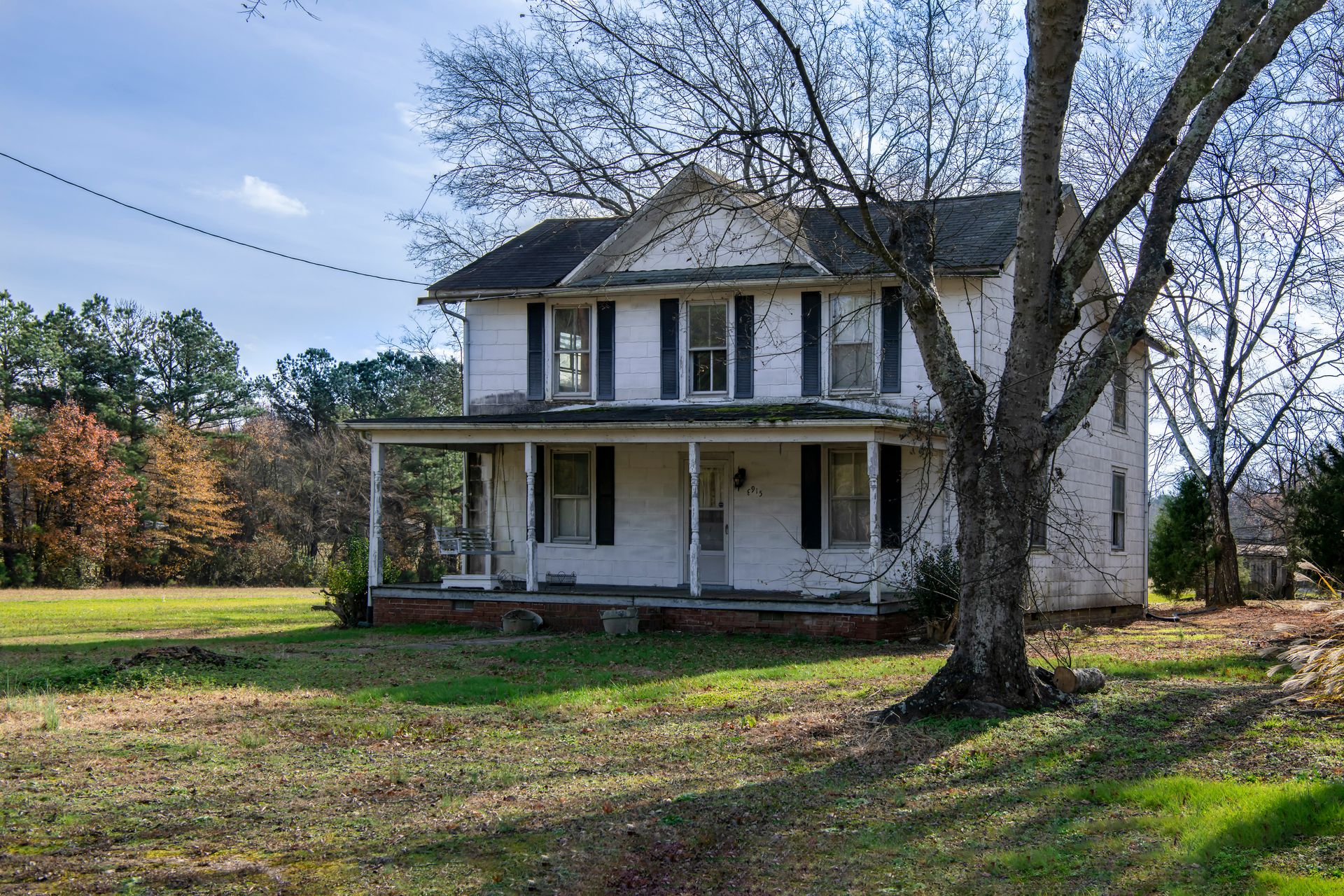
Robin Jonathan Deutsch / Unsplash
Across the U.S., housing stock is aging in uneven, sometimes surprising ways. In many cities, the typical home was built decades ago, not because preservation was the goal, but because new construction never fully caught up after past downturns.
The result is a patchwork housing market where older homes dominate not just coastal enclaves, but post-industrial cities, college towns, and sprawling metros better known for growth than for age.
In 2012, according to an analysis by Redfin, the typical U.S. home was 35 years old. Today it’s 41, in large part because construction has lagged since the Great Recession. However, the age of housing varies dramatically by city. Some markets have leaned into their historical identity and preserved older homes, while others struggle with the twin challenges of limited new supply and rising prices.
Here are 10 cities where history isn’t just preserved — it’s lived in every day.
1 / 10
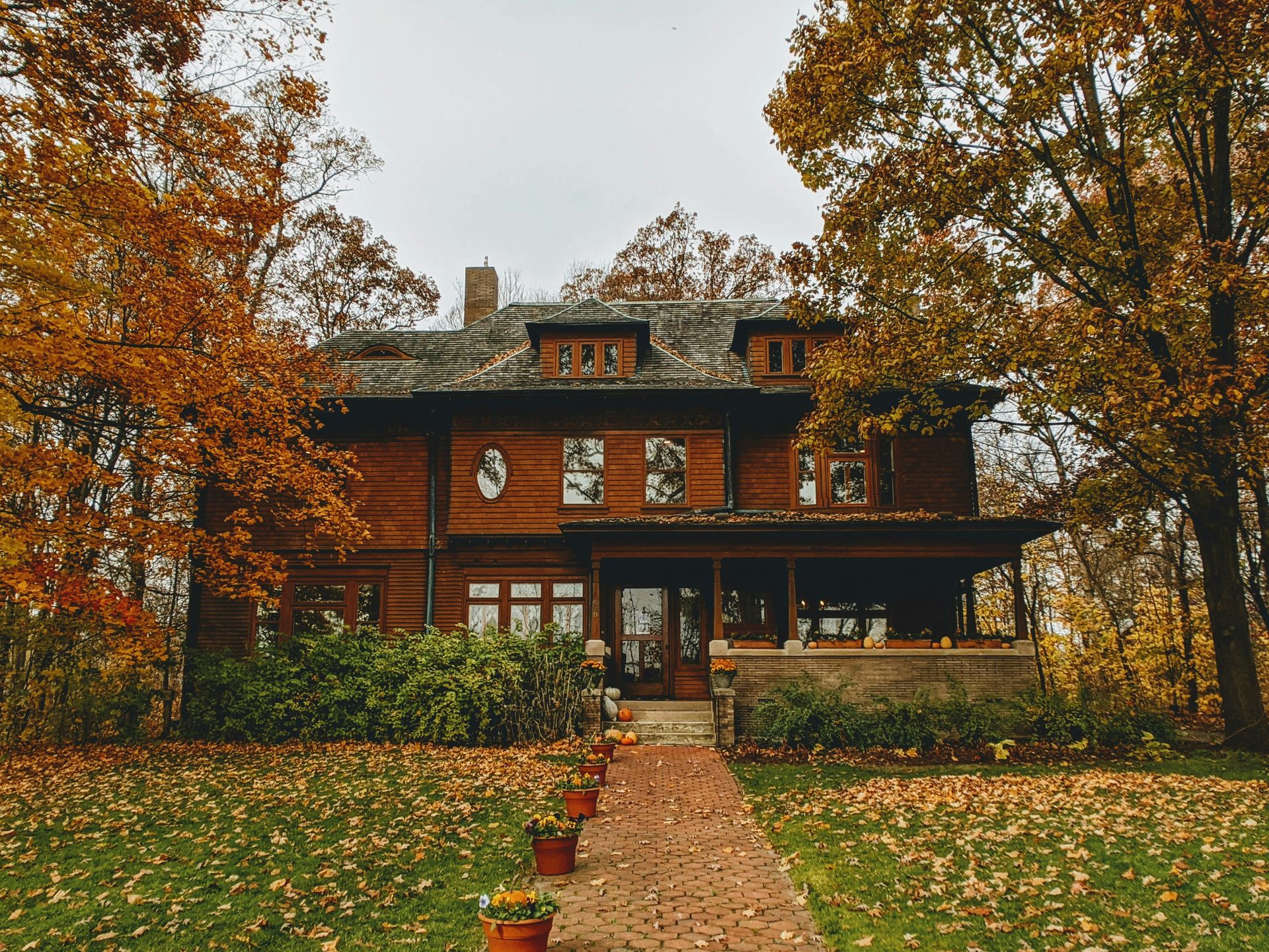
Adam Bouse / Unsplash
Buffalo’s typical home was built in 1957, and more than 24% of its housing predates 1940, making it the city with the oldest inventory in the U.S. on average, according to Redfin. Limited new builds — only 1% constructed since 2020 — highlight how little recent development has occurred. Buyers are paying premiums for newer properties in a market dominated by old stock.
2 / 10
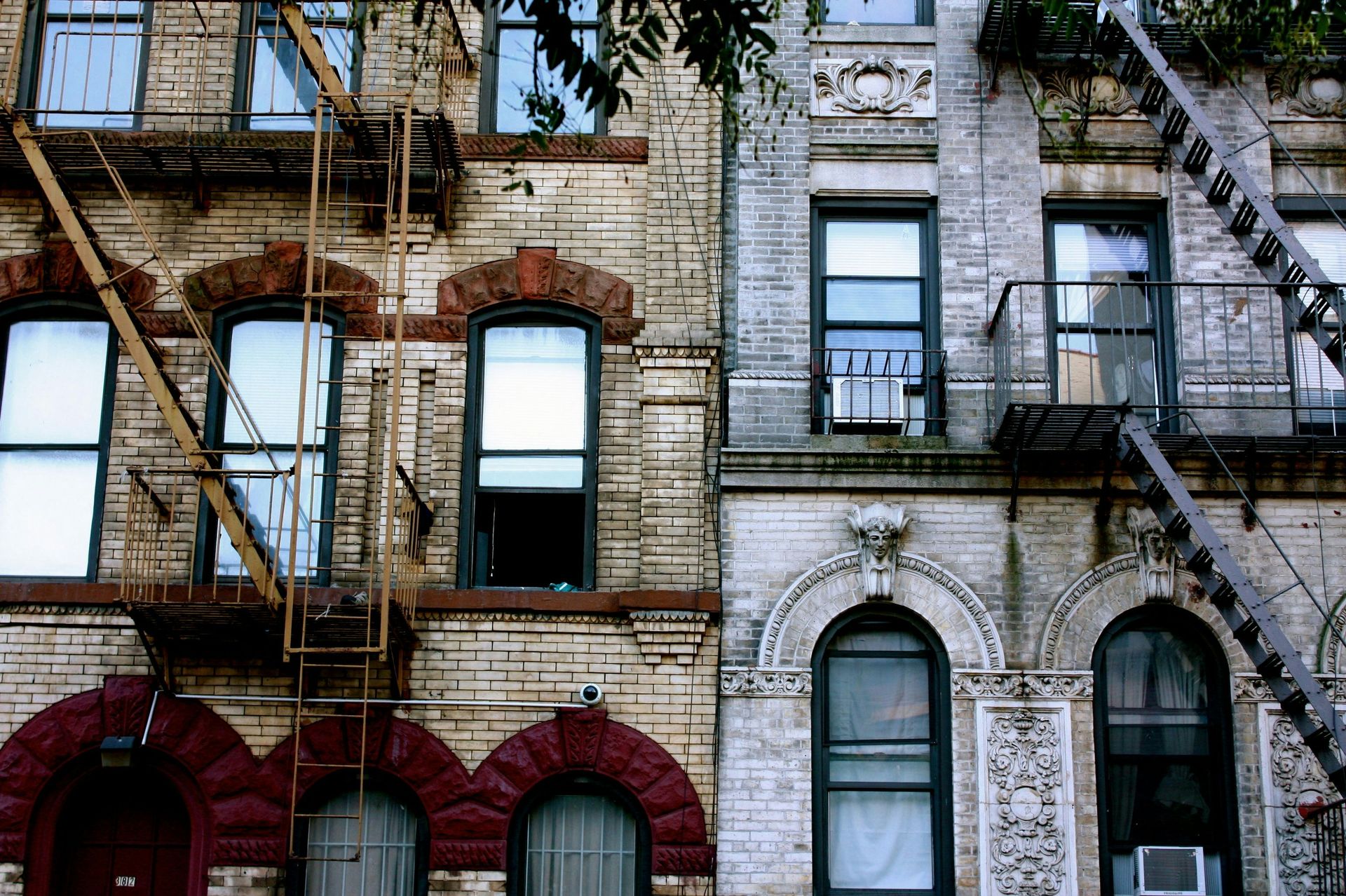
Julie Ricard / Unsplash
According to the data shared by Redfin, more than half of New York city’s homes were built before 1960, and only 0.1% were constructed after 2020, underscoring how little new housing has entered the market in recent years. That aging inventory helps drive the city’s famously high costs and entrenched affordability challenges.
3 / 10
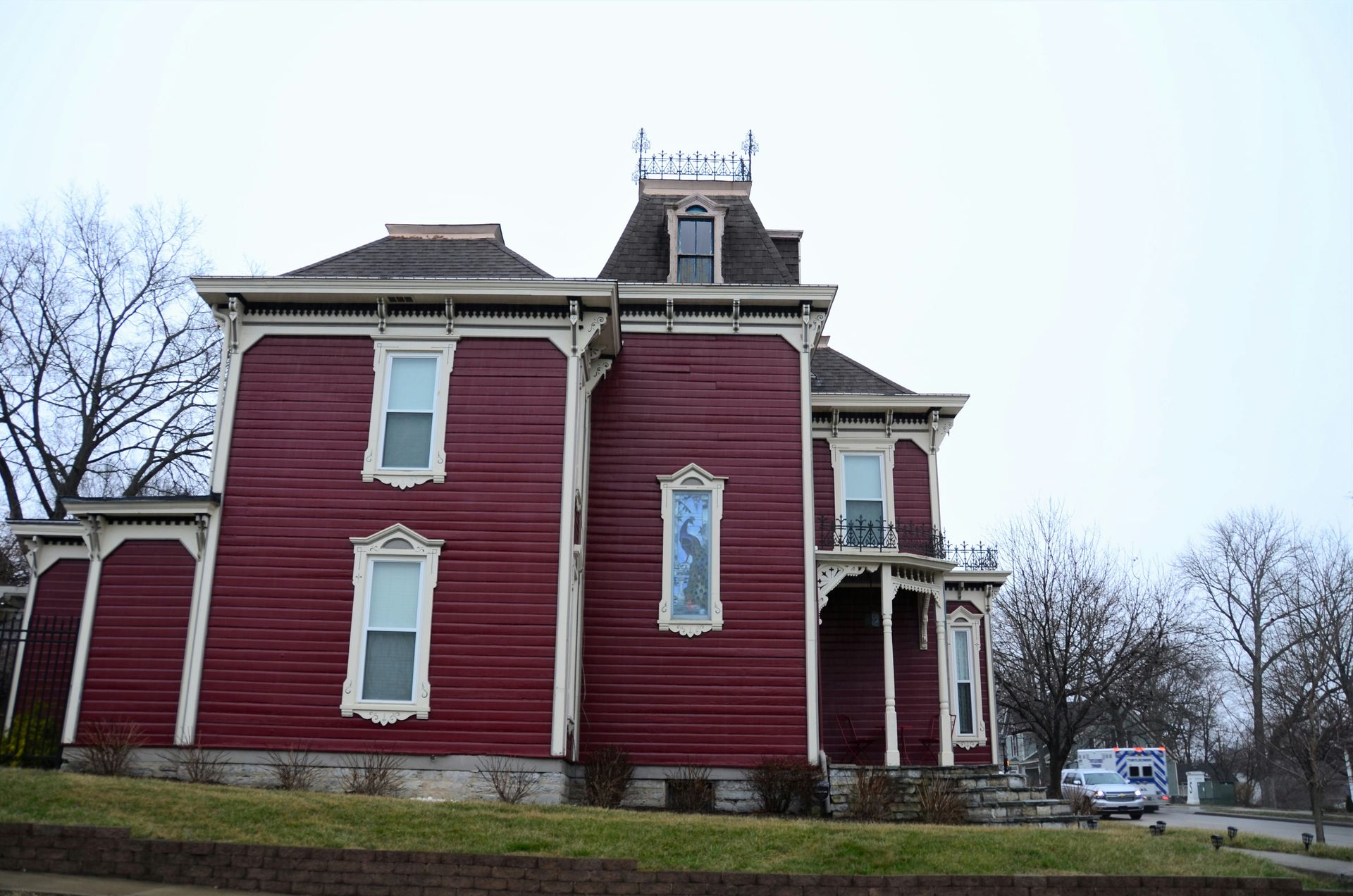
Roger Starnes Sr / Unsplash
Springfield’s housing is tied to its long history, with 50% of homes built before 1960, notes Redfin. Its classic Victorian and colonial-era homes give the city character, even as limited supply pushes prices up.
4 / 10
Zhen Yao / Unsplash
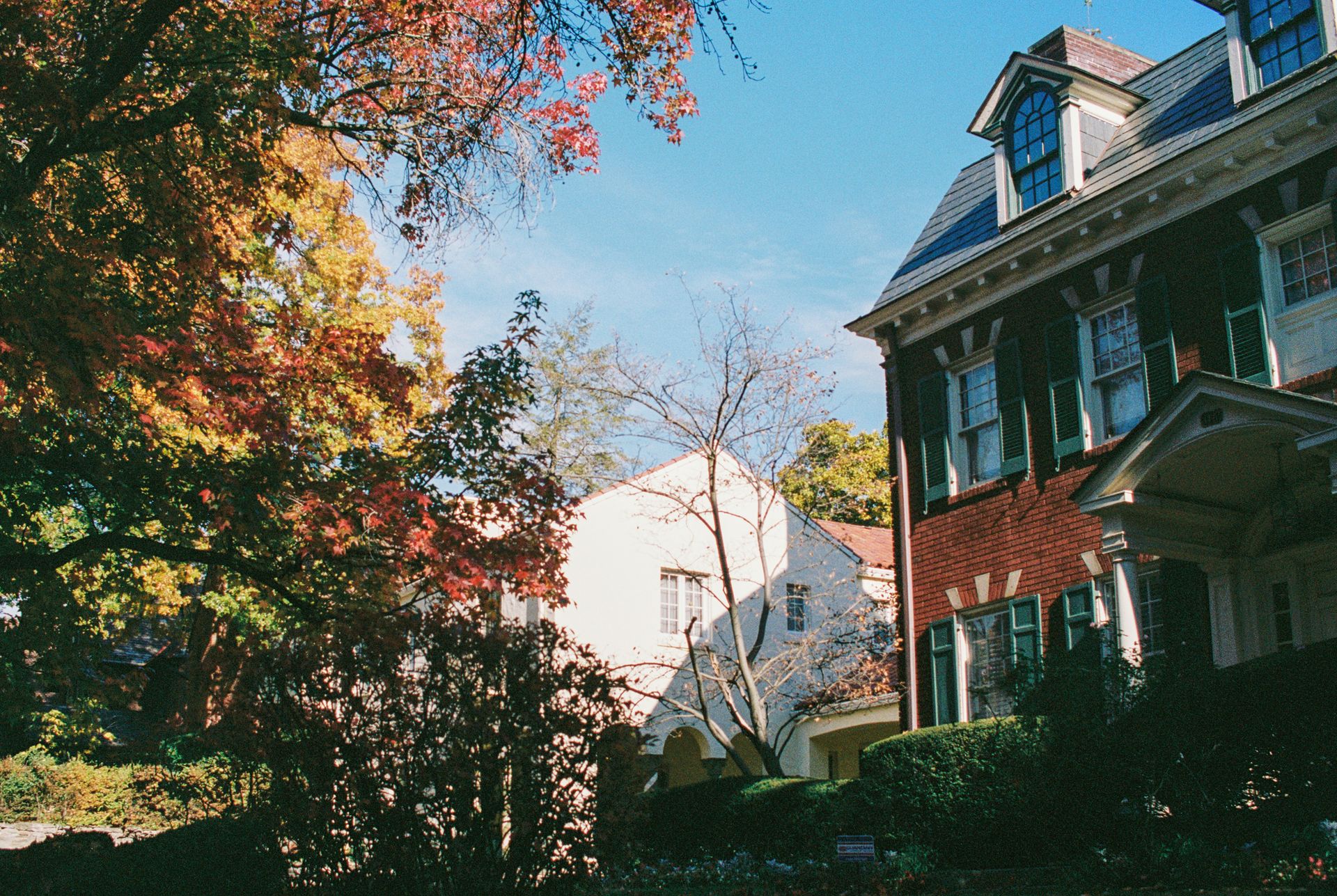
In Pittsburgh, 81.2% of sold homes are older than 30 years, with most built before 1960, according to the data. The city’s revitalization has increased demand while the stock remains predominantly historic, putting upward pressure on prices.
5 / 10
Morey Longo / Unsplash
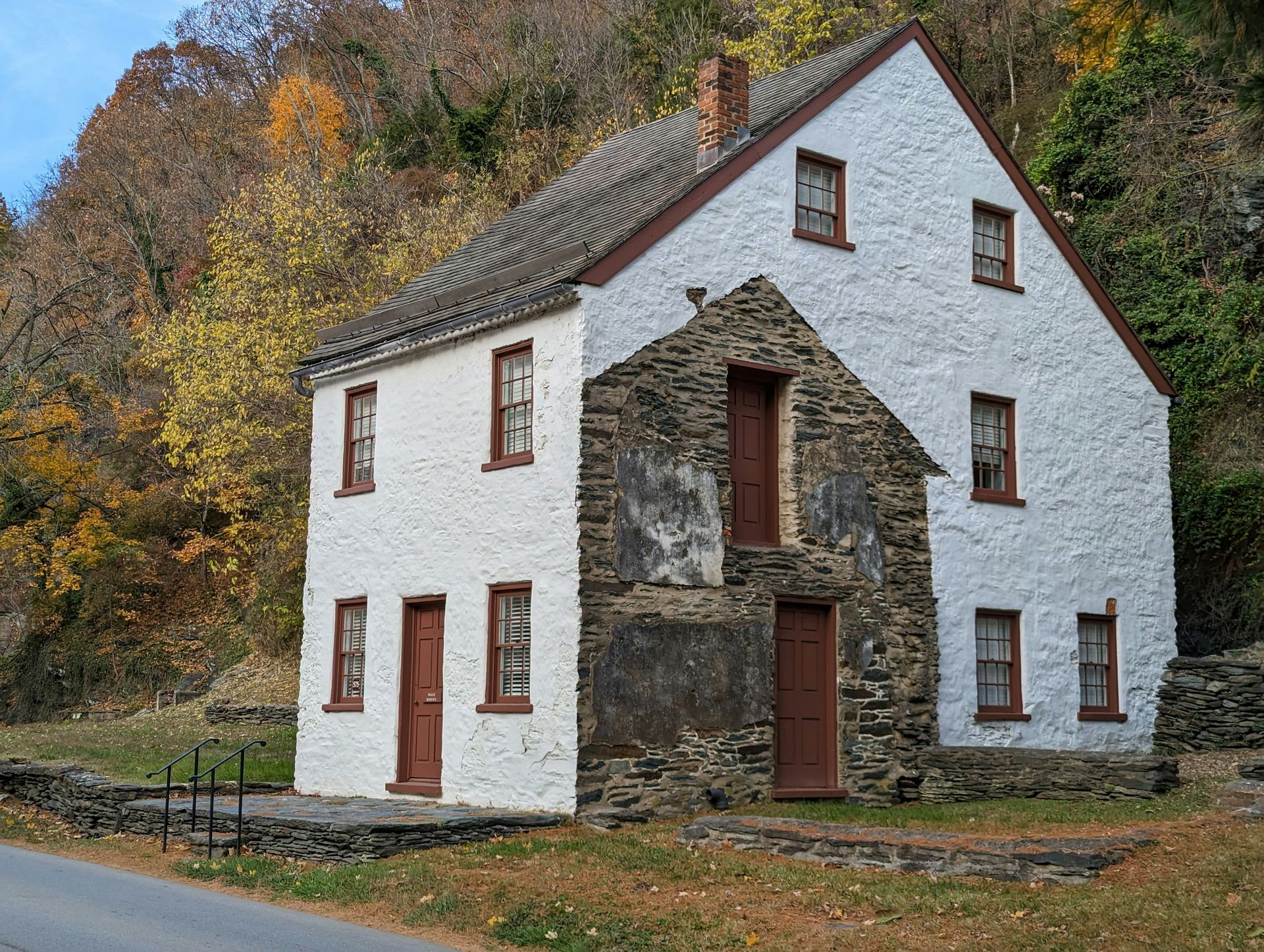
Scranton’s typical house dates to 1961, notes Redfin, and nearly a third were built before 1940. Less than 1% of housing has been built since 2020, contributing to both a historic feel and tight market conditions.
6 / 10
Eilis Garvey / Unsplash
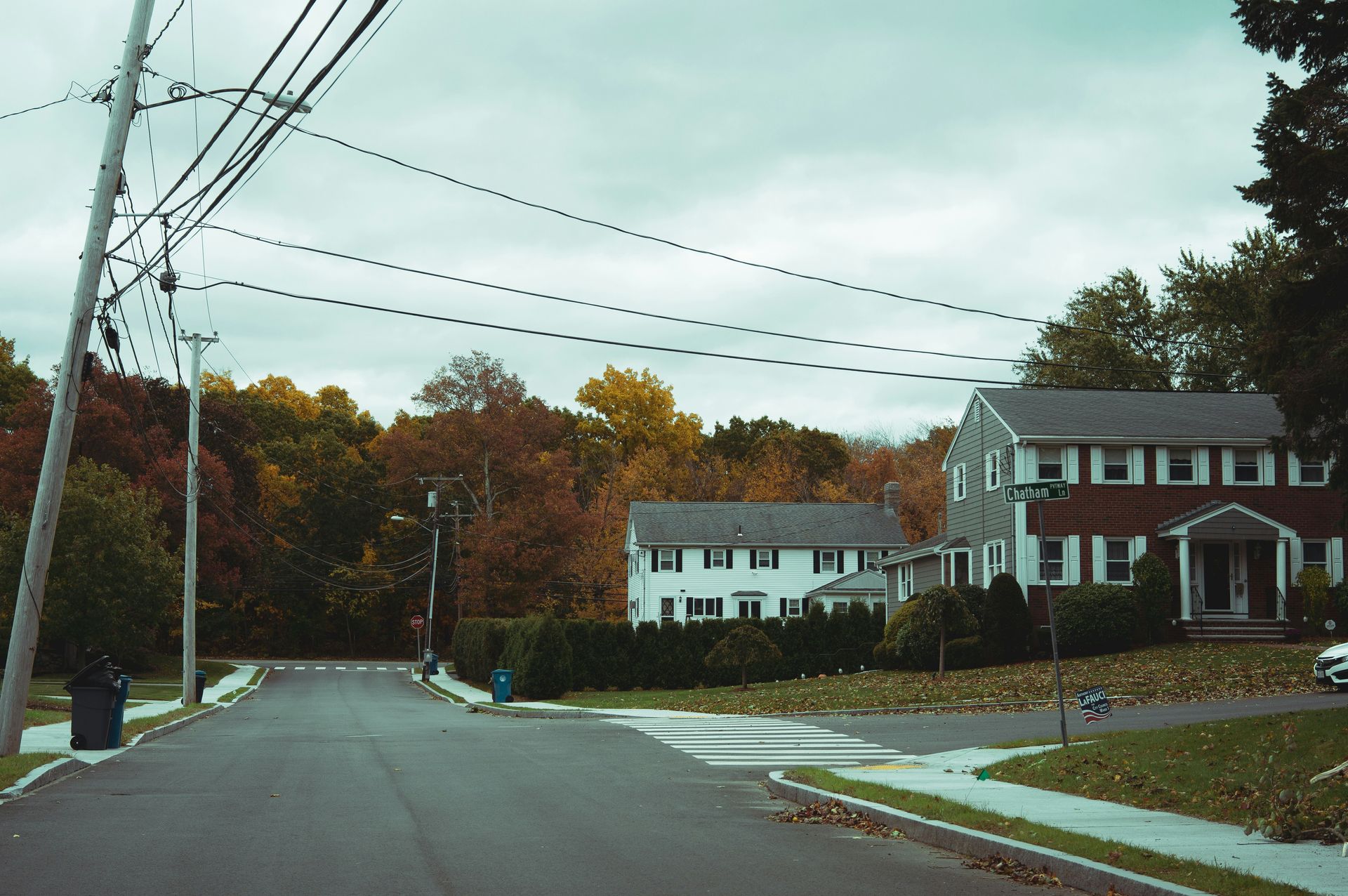
According to the data, roughly 85% of homes sold in New Haven were built over 30 years ago. The region’s Colonial-era architecture and limited recent construction fuel both charm and housing affordability challenges.
7 / 10
Vanessa Sezini / Unsplash
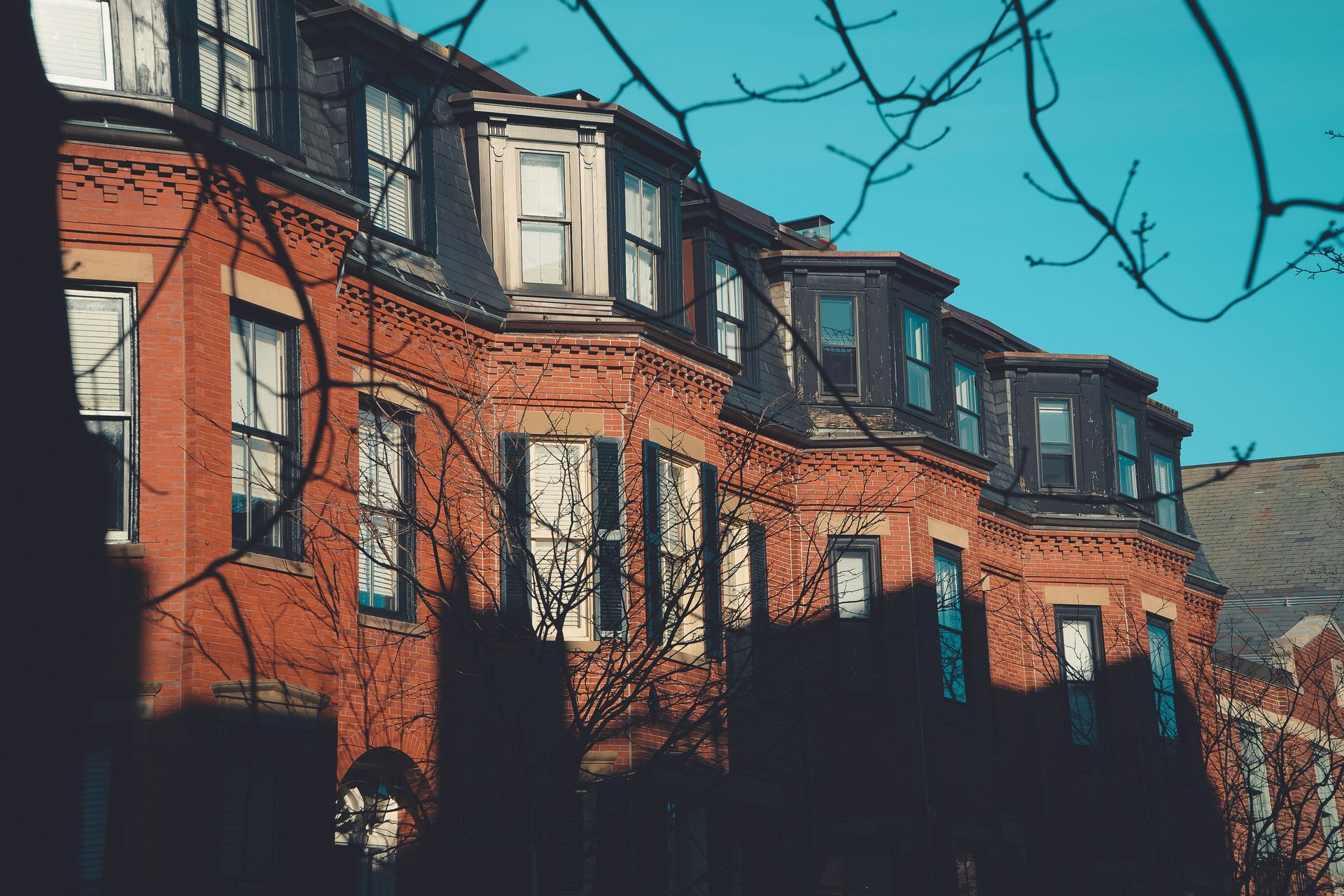
Boston’s aggregate housing stock has a median age of 60 years, and according to Redfin, about 72% of sold homes are over 30 years old. Historic buildings define its neighborhoods, even as limited additions strain the housing supply.
8 / 10
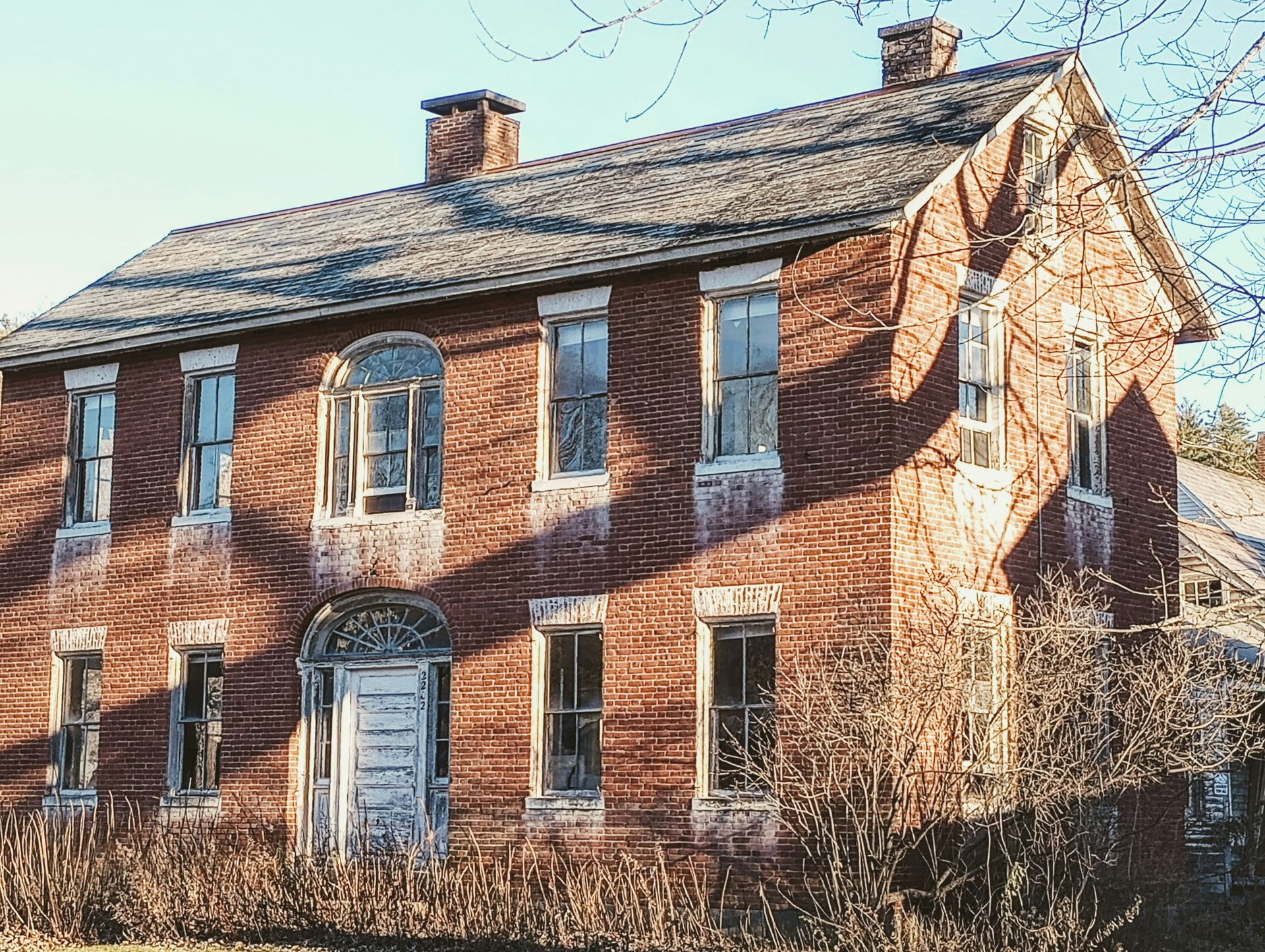
J K / Unsplash
The data shows Cleveland’s typical home was built before 1965, and only 1% of its housing stock was built after 2020. That imbalance between old inventory and new construction is central to the city’s ongoing transformation.
9 / 10
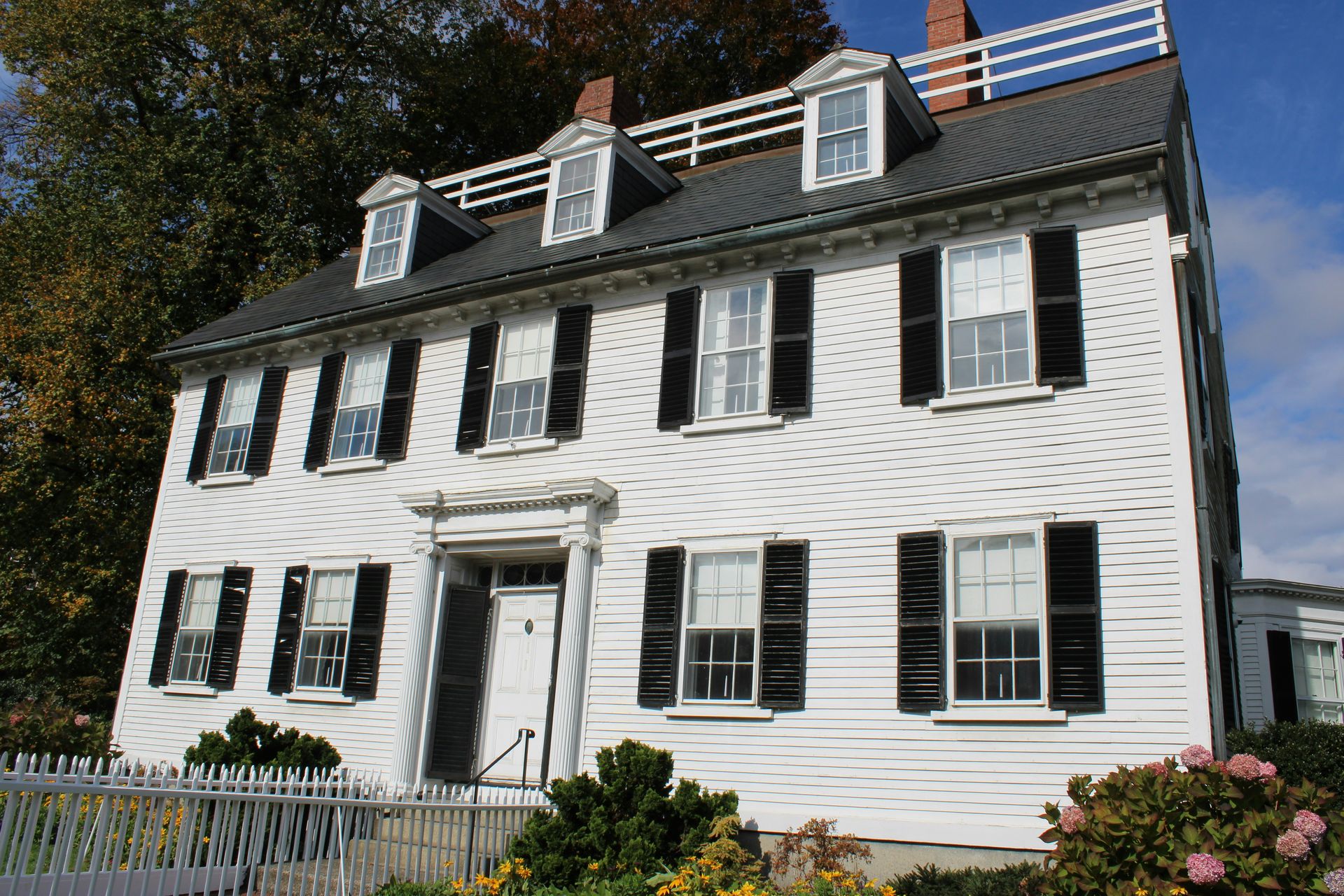
Jessica Langbein / Unsplash
Bridgeport’s typical house dates to 1965, and a quarter of homes were built before 1950, according to Redfin. Like other older markets, limited new construction and low vacancy have kept demand high.
10 / 10

Dav Other / Unsplash
Though younger than many on this list, Los Angeles still ranks in the top ten, according to Redfin’s data, with a typical home built in 1966 and over 80% of homes older than thirty years. Its historic spread of mid-century styles contributes to its presence here.
