Pascal Meier / Unsplash
No airport sets out to ruin a trip, and most delays start small.
A late inbound flight. A crowded taxiway. A bag that takes the scenic route to baggage claim. The problem is scale. At the busiest airports, minor disruptions compound quickly, and travelers absorb the cost.
A recent analysis by JB, a gambling website, combines delay rates, passenger volume, airport size, passenger density, and lost-and-found volume into a single score. No single metric makes an airport painful. Together, however, they can highlight where stress clusters.
If you are planning 2026 travel and have options, these are the airports where extra buffer time helps, tight connections deserve skepticism, and disruptions tend to escalate fast.
Here are ten major U.S. airports where small problems have a habit of snowballing, according to JB.
1 / 10
Fancy Jon / Unsplash
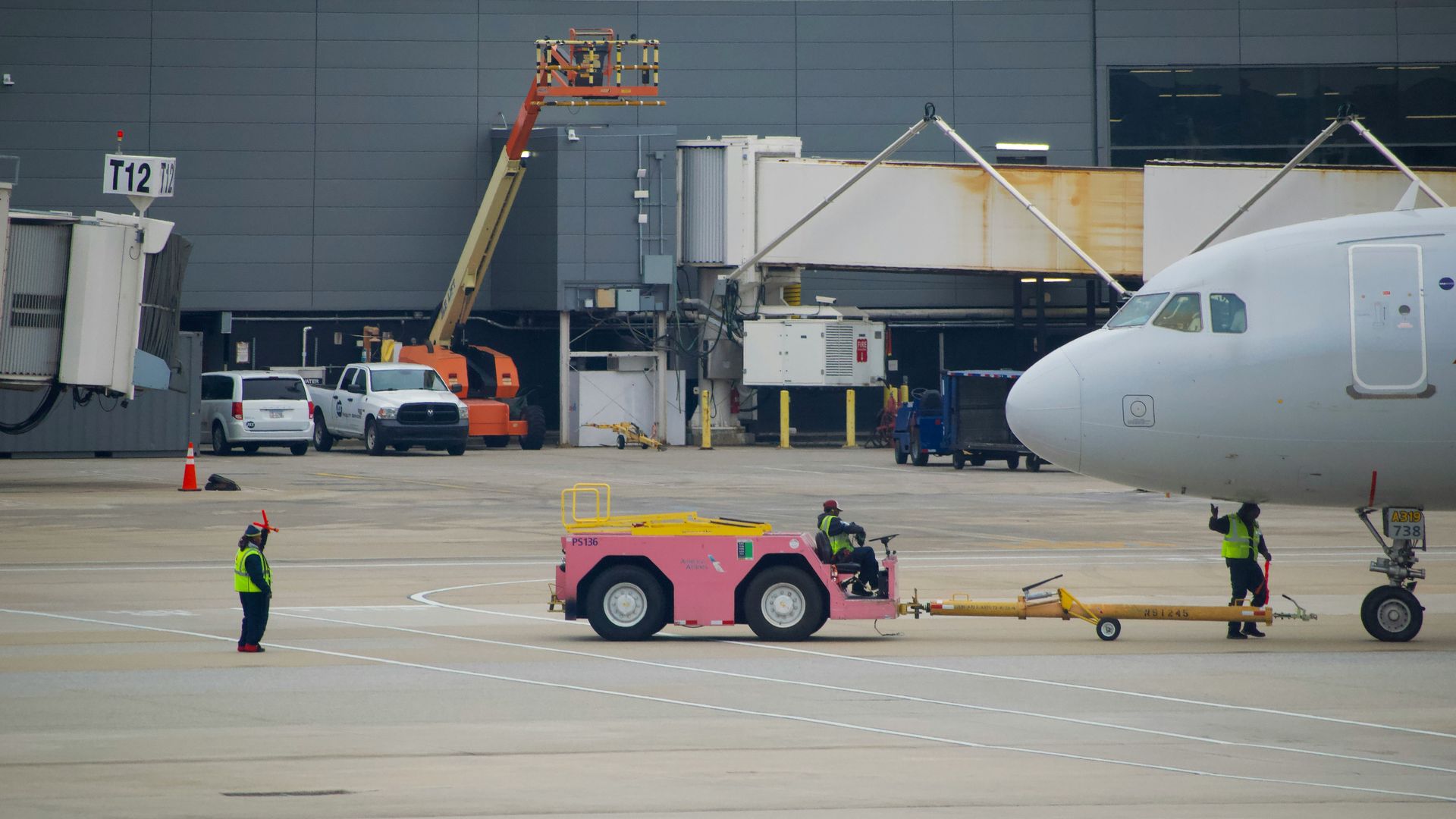
According to the analysis, Atlanta moves more than 108 million passengers with a delay rate near 21%.
2 / 10
Matt Benson / Unsplash
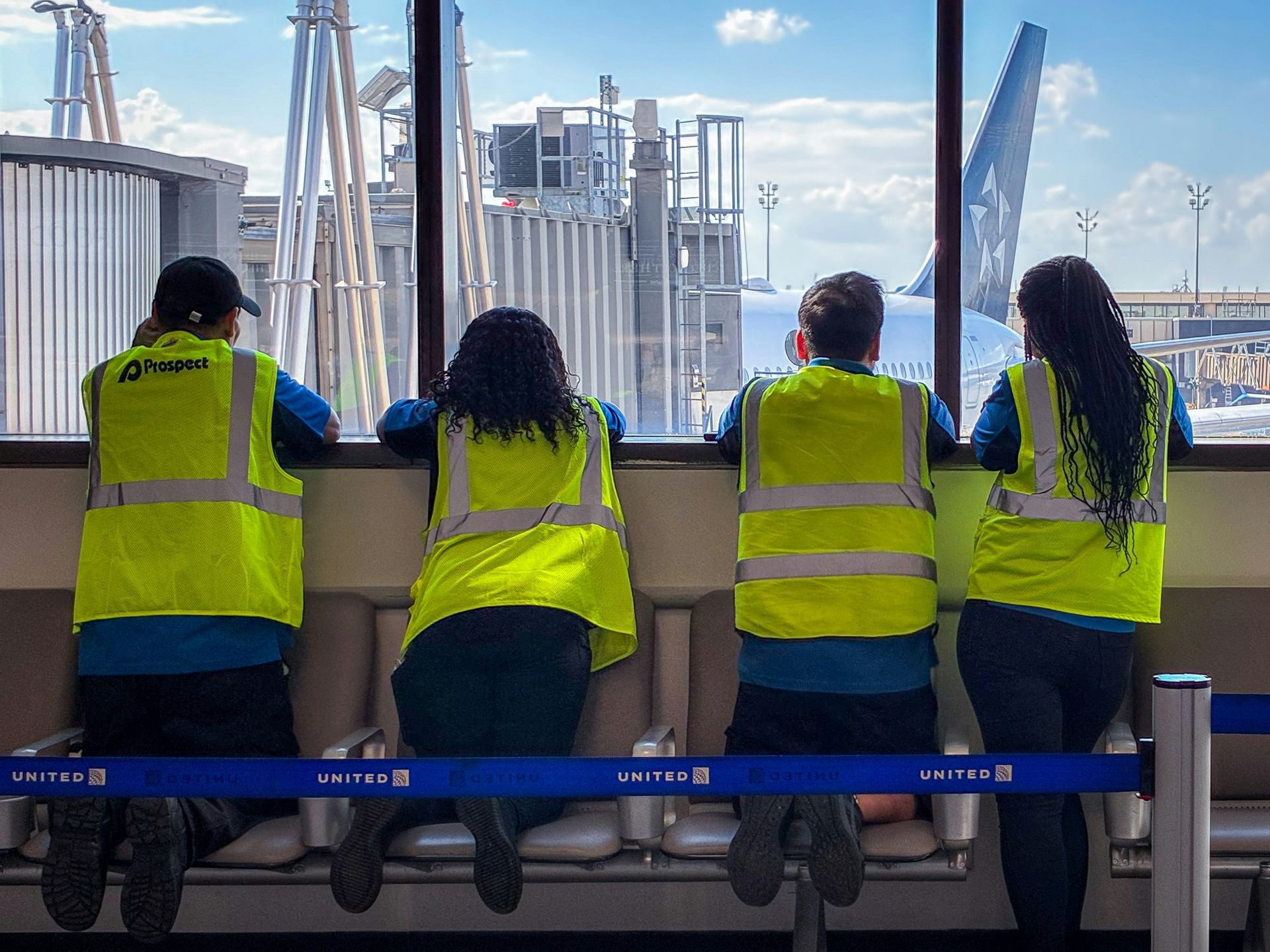
Nearly 29% of flights are delayed, the highest share in the ranking. According to JB's analysis, passenger density is also the most intense. Reliability remains Newark’s weakest link, per the report.
3 / 10
Jack Prommel / Unsplash
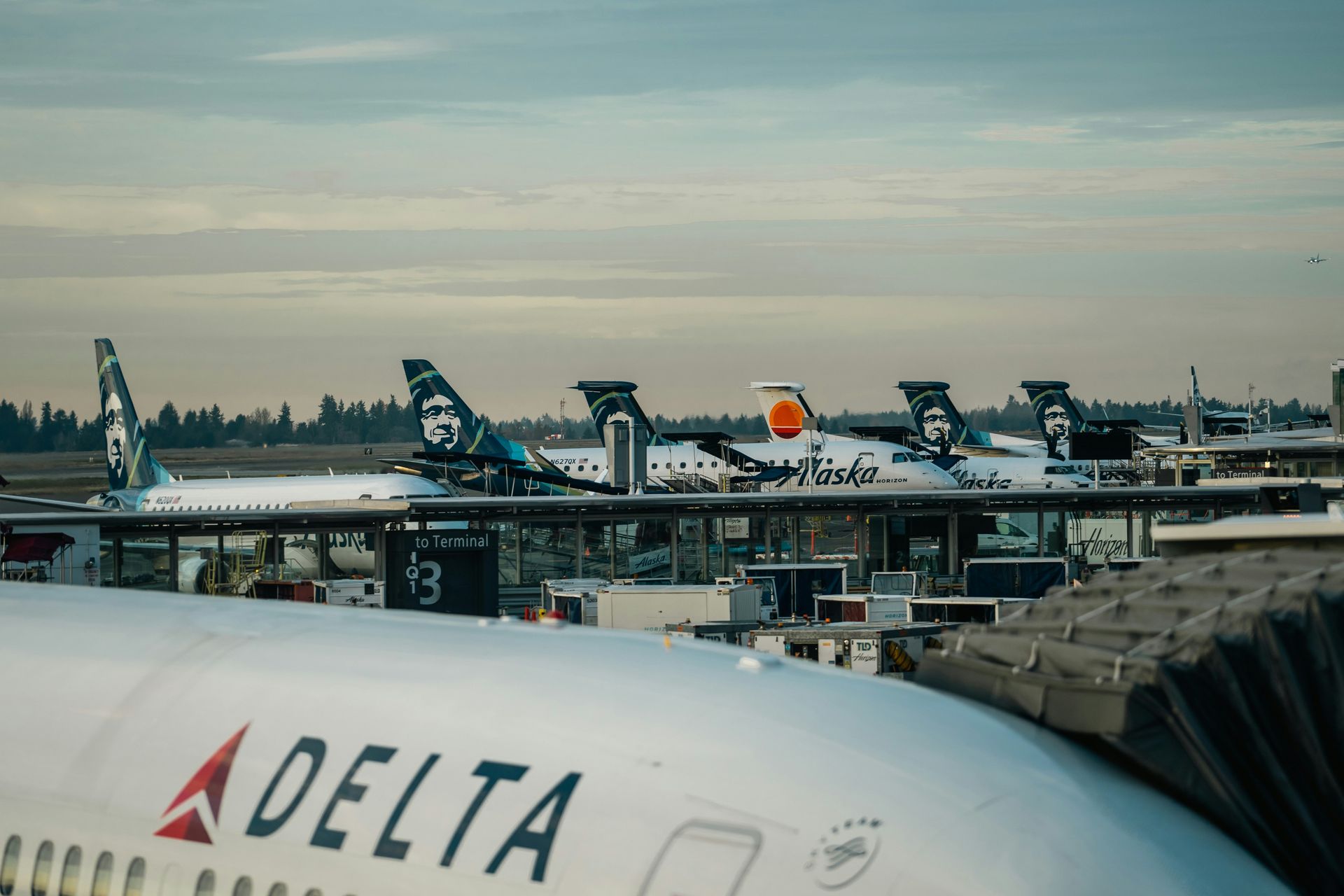
Sea-Tac faces rising passenger volume with limited space, according to the report; delay rates hover around 21%, and congestion shows up early and often.
4 / 10
Zoshua Colah / Unsplash
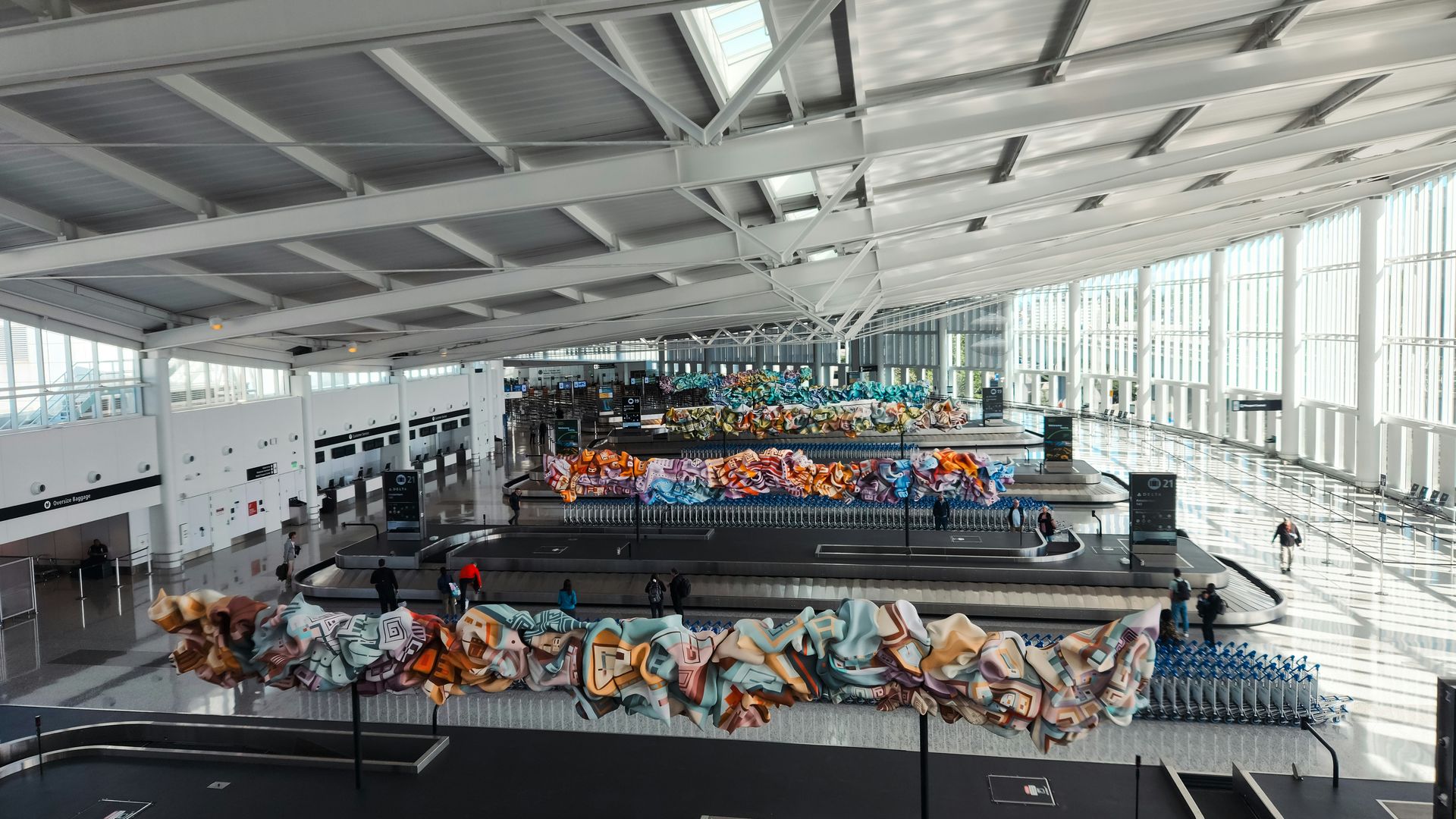
Las Vegas handles close to 60 million passengers, according to the analysis, and posts delays above 21%.
5 / 10
-1920x1280.jpg)
David Syphers / Unsplash
LAX posts a lower delay rate than some peers, yet density remains high, according to the report. Volume strains movement across terminals, and time on the ground adds up.
6 / 10
-1920x1281.jpg)
Daniel / Unsplash
According to the analysis, roughly 24% of flights are delayed here.
7 / 10
-1920x1280.jpg)
Silvio Wiggelinghoff / Unsplash
Passenger density is lower, but delays still approach 19%, says JB. Soaring temperatures can add to slow-downs.
8 / 10
Kenny Xie / Unsplash
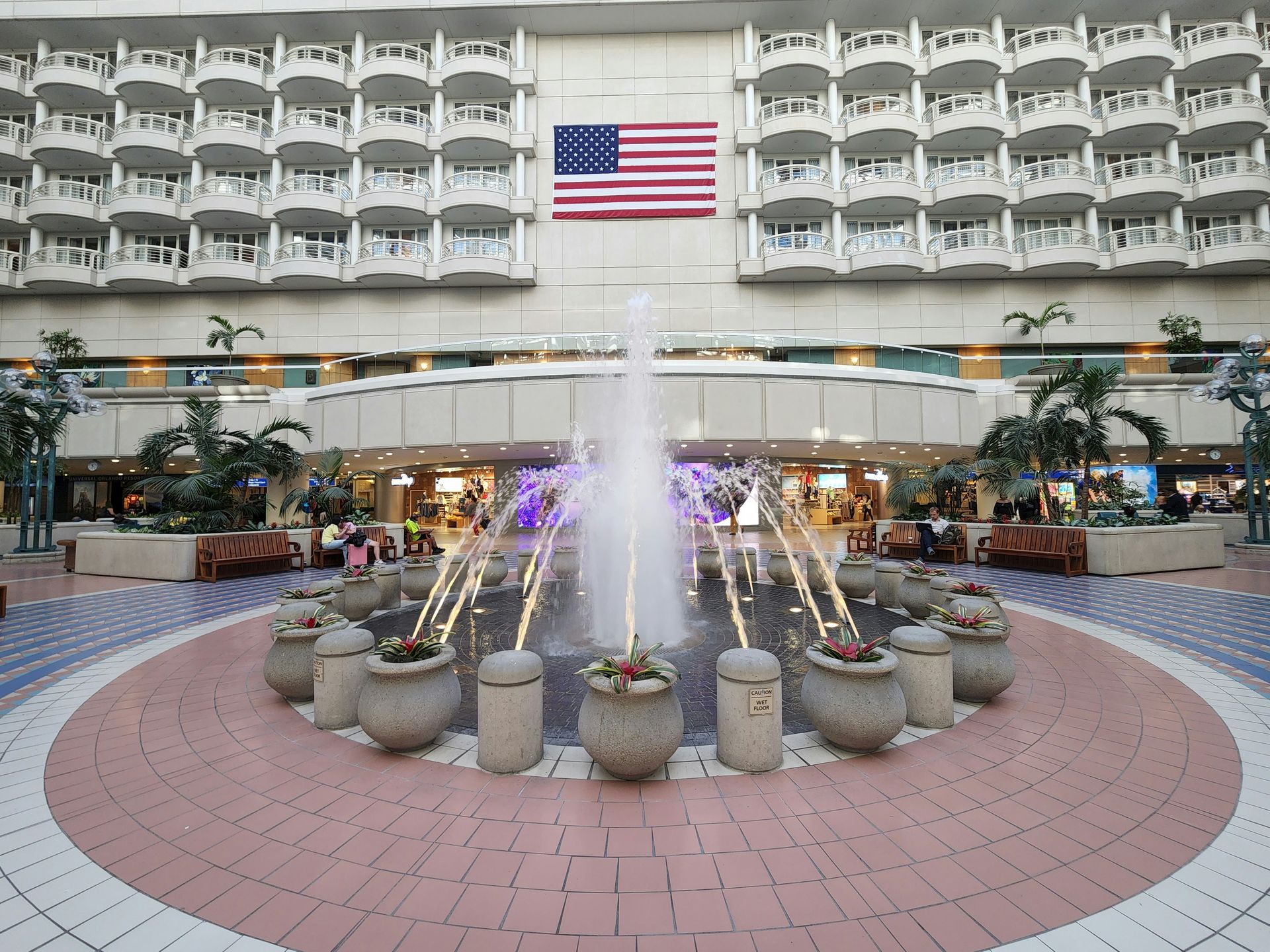
According to the analysis, nearly one-quarter of flights run late. Passenger concentrations create choke points across a large campus.
9 / 10
Doni Rath / Unsplash
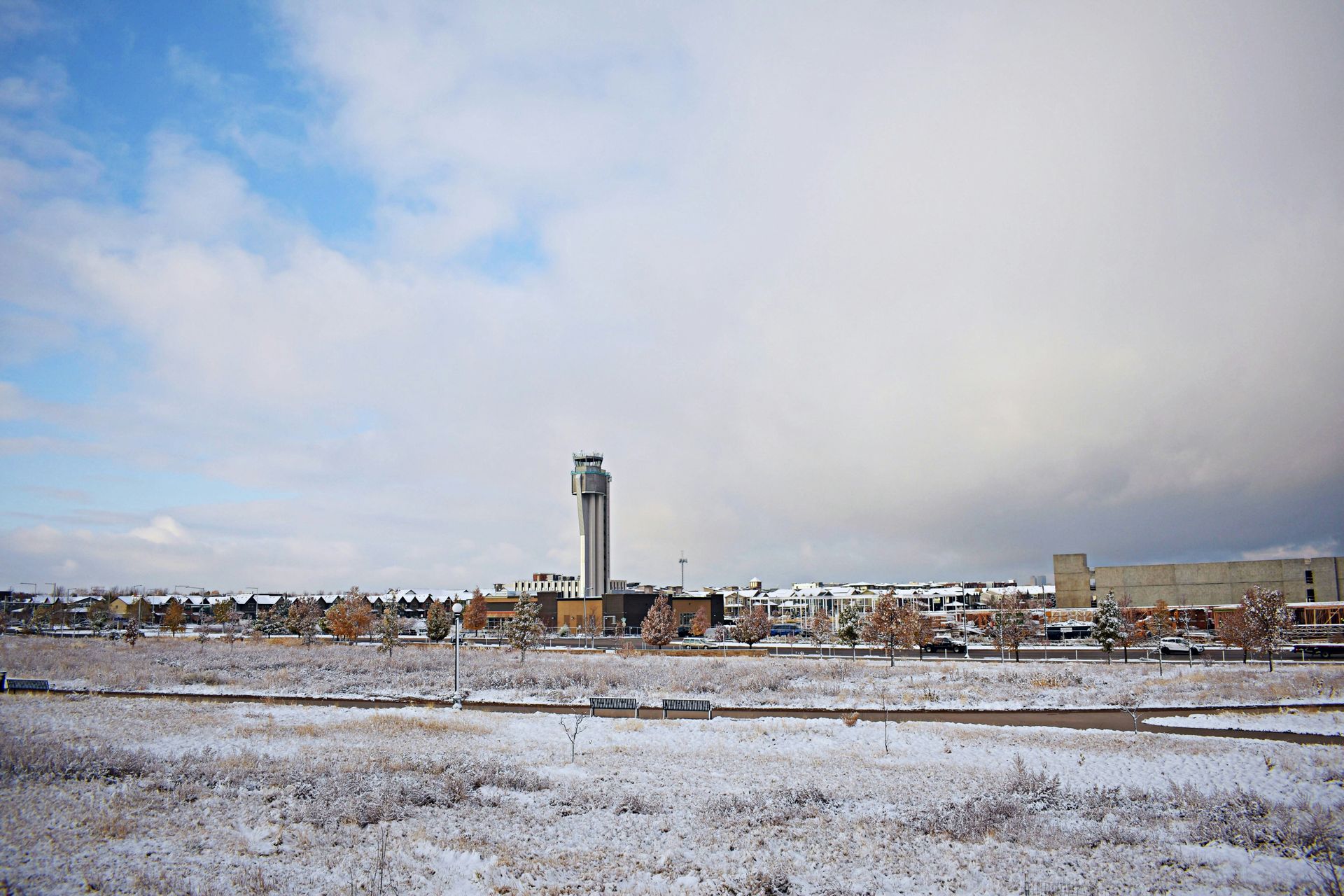
Denver’s footprint is vast but its delays still exceed 22%, notes JB. Long distances and weather complications slow recovery, and connections through here can require extra patience — and sometimes an overnight stay.
10 / 10
David Syphers / Unsplash
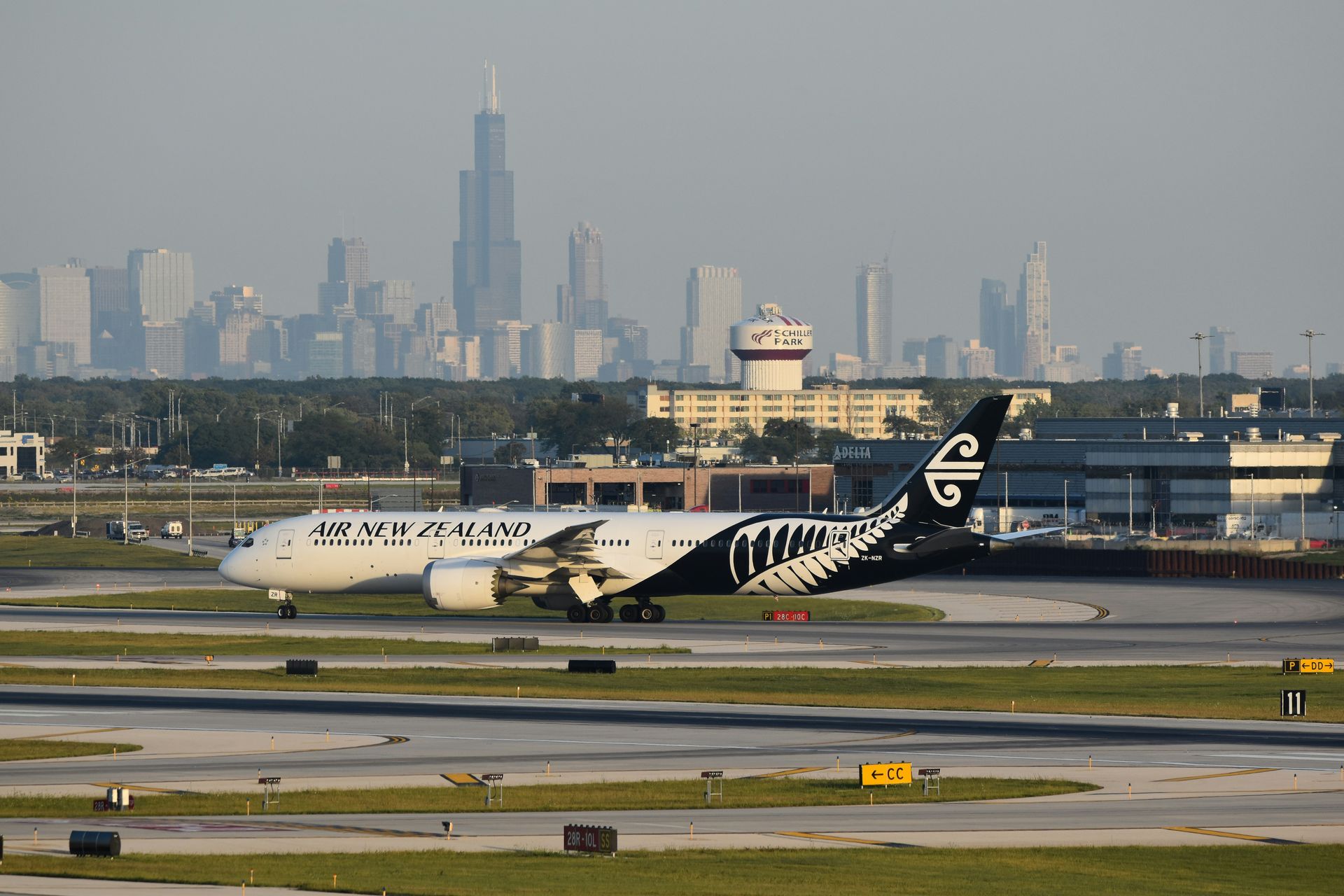
Delay rates push past 23% despite moderate density, according to the report. Too many moving parts keep performance uneven, and small delays rarely stay small, per JB.
